
Last updated November 20, 2026
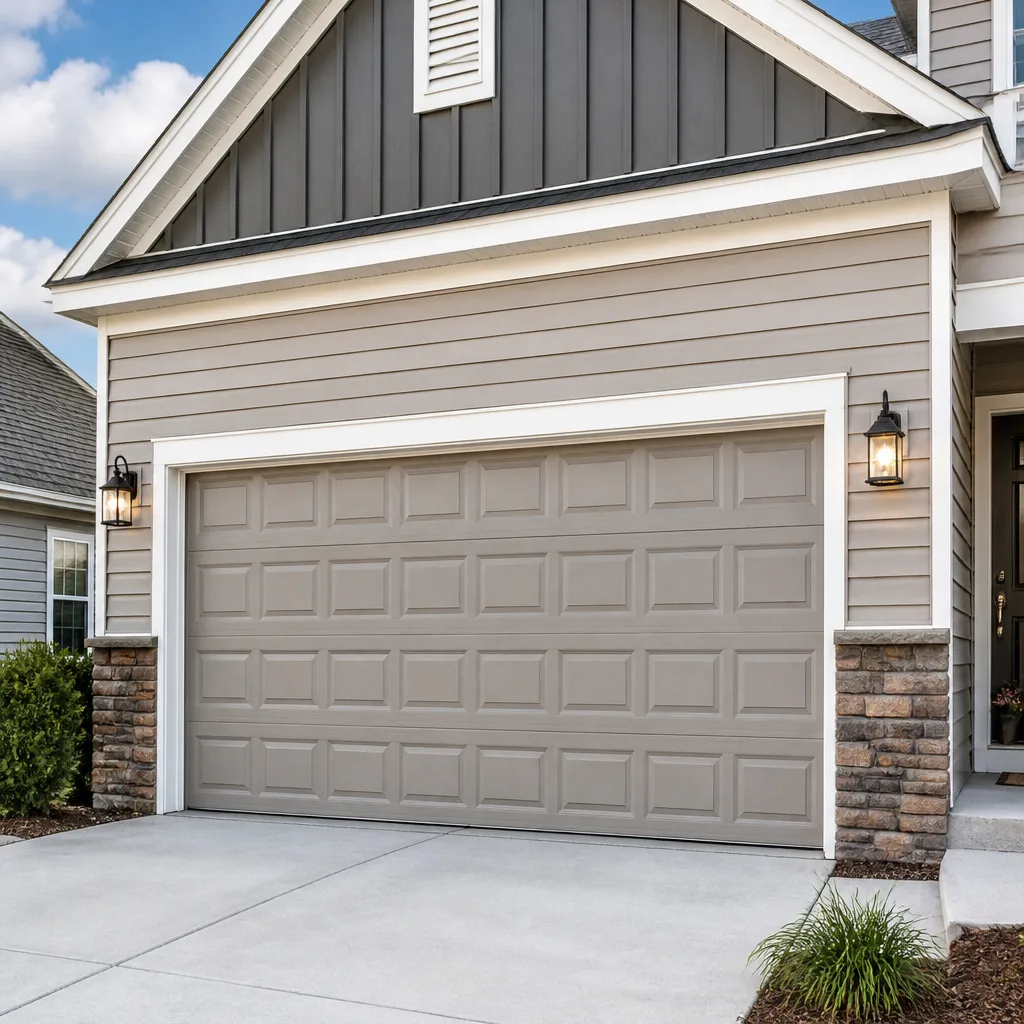 Raised-panel steel
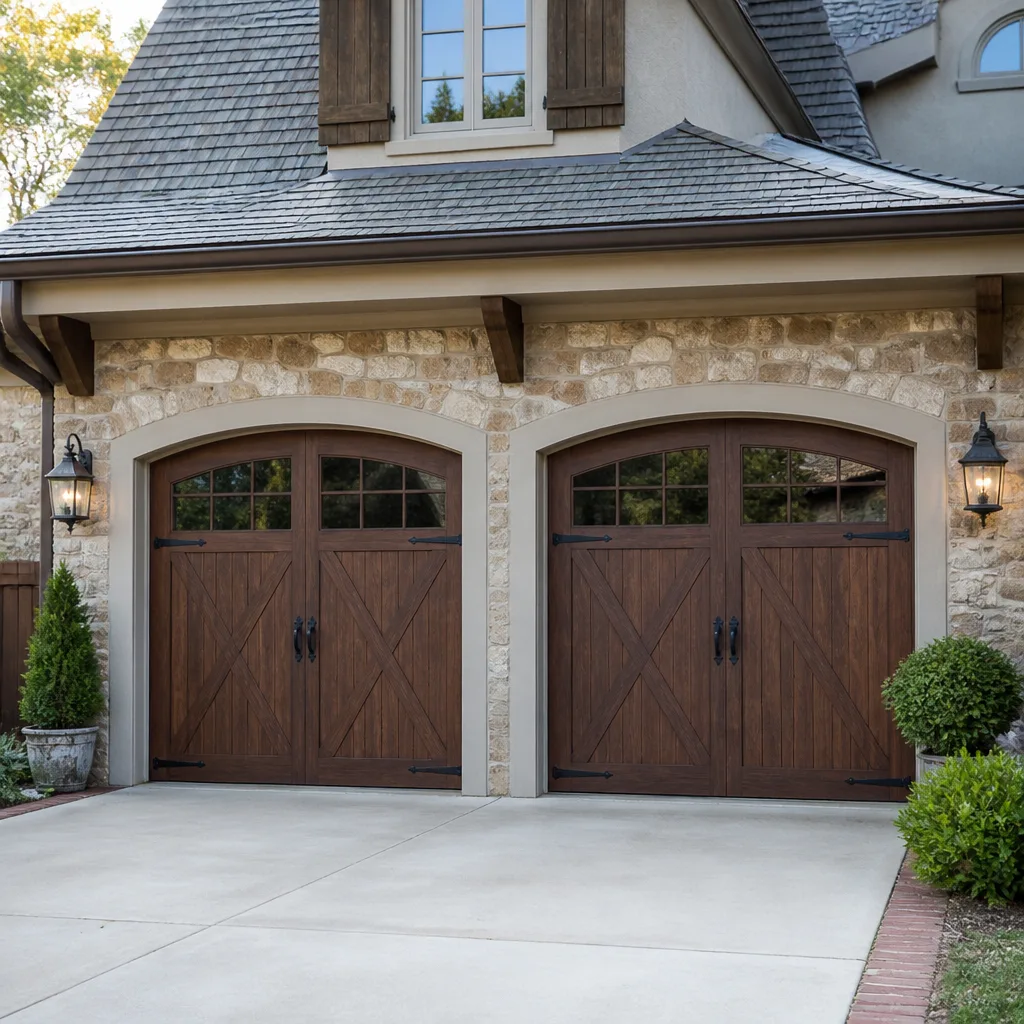 Carriage house
 Modern flush
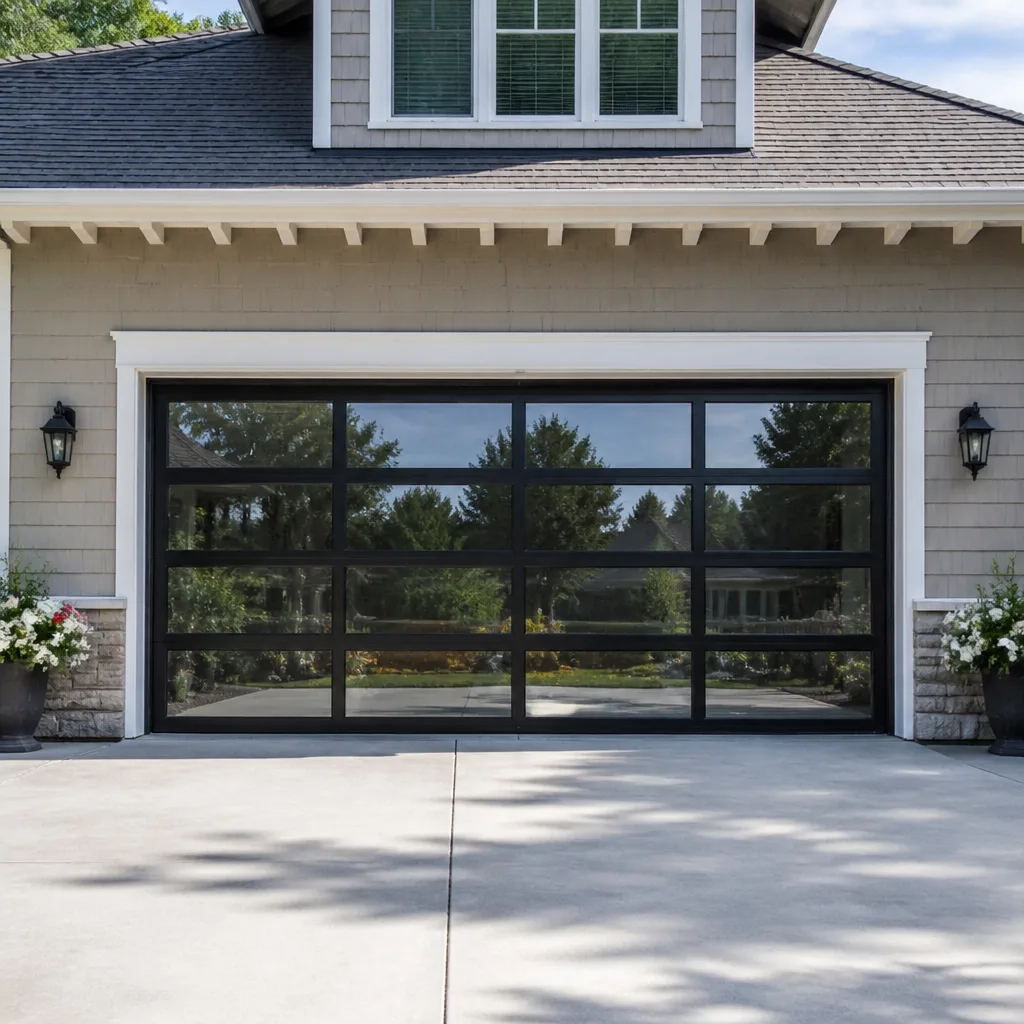 Full-view glass
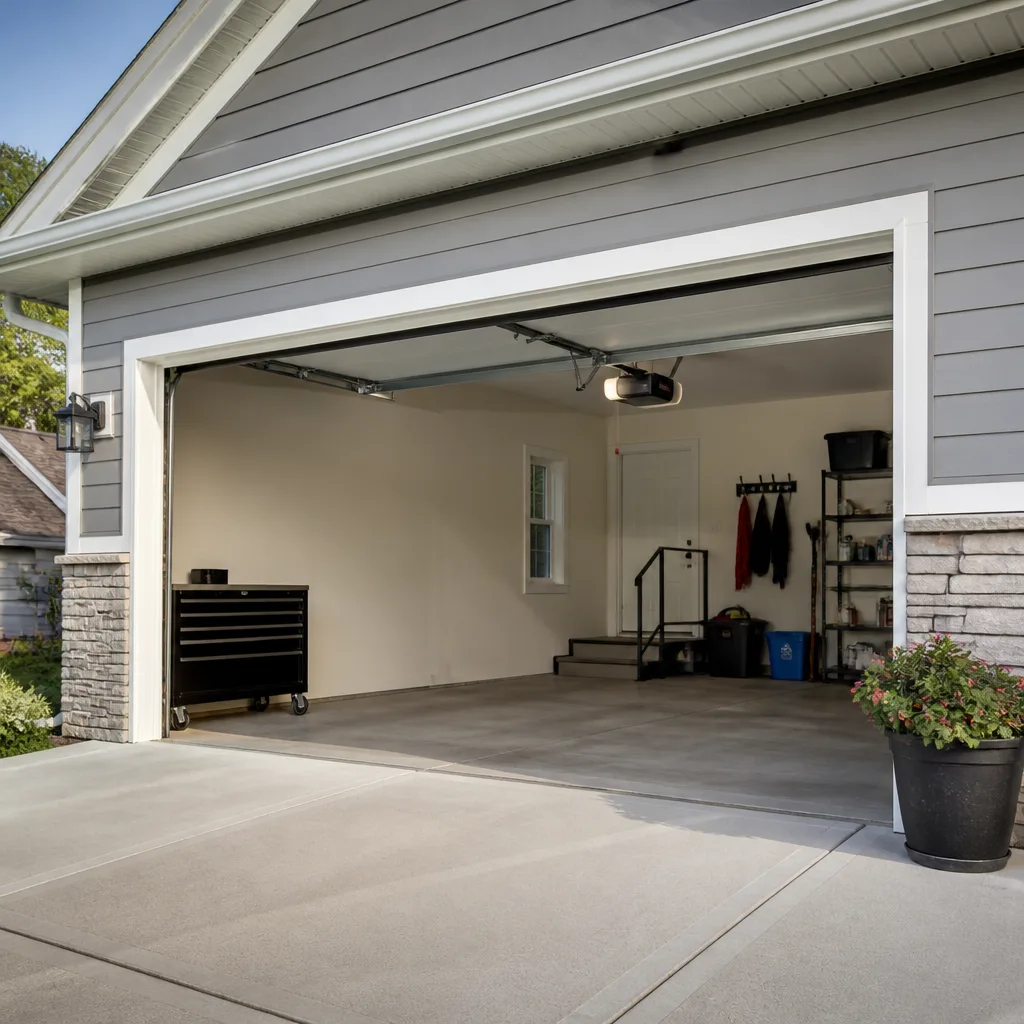 LiftMaster openers
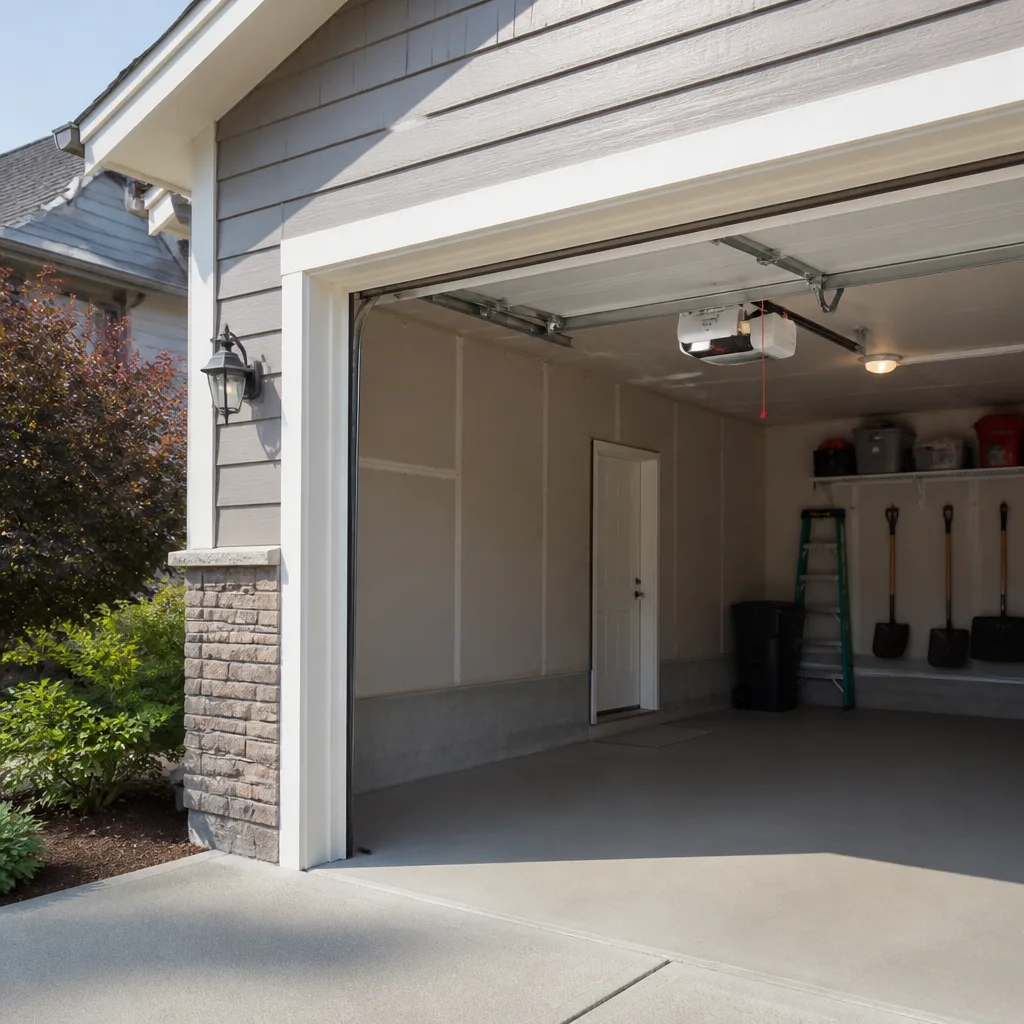 Chamberlain openers
Full 25-point door and opener safety check with every visit - springs, cables, rollers, tracks, and your LiftMaster or Chamberlain opener included
You get a price before we start. It does not change when the pro arrives.
Get your free estimateGarage Door Permits, Codes & Inspections in Lee-Harvard, OH: What You Need to Know
Most homeowners assume any garage door replacement needs a permit. In Ohio, the opposite is often true. A straight door swap onto an existing frame, keeping the same opening size and the same weight class, typically doesn’t trigger a residential building permit. But the moment the project changes the rough opening, adds a new header, reframes an older opening for a heavier door, or alters the structure around it, you’ve crossed into permitted work. Plenty of contractors skip that conversation, and it can surface years later during a home sale inspection in Lee-Harvard. This guide explains when a permit is required, how Cuyahoga County inspections work, what wind-load and code considerations apply to new doors in Northeast Ohio, and what to ask before work begins.
Quick Answer
In Ohio, a like-for-like garage door replacement on an existing frame usually does not require a building permit, but structural changes such as resizing the rough opening, adding or modifying a header, or reinforcing an older frame for a heavier door generally do. Cuyahoga County inspections for garage door work focus on structural framing, attachment, and code compliance rather than the door’s cosmetic finish. If you’re unsure which category your project falls into, the safest step is to call the local building department before any work is scheduled in Lee-Harvard.
Styles & brands we work with
- Raised-panel steel
- Carriage house
- Modern flush
- Full-view glass
- LiftMaster openers
- Chamberlain openers
Table of Contents
- When Does Ohio Require a Garage Door Permit?
- How Does Cuyahoga County’s Inspection Process Work?
- Wind Load, R-Value, and Northeast Ohio’s Climate
- How Unpermitted Work Surfaces During a Home Sale
- What to Ask Your Contractor Before the Job Starts
- The Permit Process, Step by Step
- What Garage Door Work Costs and What the Permit Adds
- Common Mistakes to Avoid
When Does Ohio Require a Garage Door Permit?
Ohio’s residential building code treats a garage door replacement the same way it treats most non-structural repairs: if you’re replacing an existing door with one of the same approximate size and weight, using the existing frame and the existing opening, the work usually doesn’t need a permit. The door is treated as a component being serviced rather than the building being altered. That’s the case most homeowners in Lee-Harvard are in when a door cracks, rusts through, or stops closing properly and needs to be swapped.
The line gets crossed when the project stops being a swap and starts being construction. The following situations generally do require a permit, because the building structure or its weather envelope is being changed:
- Changing the rough opening size. Widening or heightening the opening for a larger door means cutting framing and rebuilding the surrounding structure.
- Adding or modifying a header. Any new structural beam or changed header changes how the wall above the door carries load.
- Reframing for a heavier door. Upgrading from a lightweight door to a heavier insulated model on an older frame can require reinforcement, which is structural work.
- Replacing a manual door with a motorized one where wiring is added. Running new electrical circuits to the opener typically needs an electrical permit, separate from the door itself.
- Converting a carport into an enclosed garage. This adds walls, roof structure, and a door where none existed, so it’s a permitted construction project.
None of these require guessing. If your project involves any of the above, the correct next step is a call to the city’s building department, or to your contractor to confirm which permit path applies. Most of the confusion we see with homeowners in Lee-Harvard comes from contractors who quote the job without asking the structural questions first.
How Does Cuyahoga County’s Inspection Process Work?
When a garage door project does require a permit, the inspection that follows is not about whether the door opens and closes smoothly. It’s a structural inspection. The inspector’s job is to confirm the building code was met for the work that was permitted, which for garage door structural work generally means checking framing, attachment, and load paths.
Here’s what a residential inspection for garage door work typically covers:
- Rough framing inspection, if new framing was added. This happens before the door goes on, and the inspector confirms the new header or framing meets code requirements for span and attachment.
- Structural attachment to the existing building. The inspector verifies that the door opening is tied into the existing framing correctly and that no load-bearing member was compromised.
- Weatherproofing and flashing. Exterior sealing, head flashing, and how the opening sheds water are checked for code compliance.
- Electrical bond and opener mounting, where applicable. If a new opener circuit was part of the permitted scope, an electrical inspection covers the wiring and the door’s low-voltage controls.
- Final inspection. The last visit confirms the completed work matches what was approved, and either signs off or notes any correction needed.
The inspection sequence typically runs framing, then electrical, then final. Each inspection is a distinct visit, and work is generally paused between them, which is why a project that includes structural changes takes longer than a like-for-like swap. For a straight replacement, there’s no inspection at all, because there’s no permit. That difference is the practical reason to nail down the permit question before work is scheduled rather than after the old door is in the driveway.
Wind Load, R-Value, and Northeast Ohio’s Climate
Northeast Ohio’s climate affects garage door code considerations in two ways that homeowners in Lee-Harvard don’t always hear about: wind load and insulation value. Both come up when the door is being replaced as part of a permitted project, and both are worth understanding even when a permit isn’t technically required.
Wind load is the design pressure a door and its frame are engineered to resist. Ohio’s residential code applies wind-load requirements based on the exposure and geometry of the building, and a garage door is a large, floppy, lightly framed surface, so it’s genuinely tested by winter wind. Replacement doors need to be rated to the opening they’re going into, and if the door is being upsized or the surrounding structure is changing, the total wind load on the frame matters. A door that’s rated properly but sagging on an aging frame is a different concern than a heavier door on a light frame that wasn’t built for it.
Insulation value, expressed as an R-value, matters less for code compliance in a garage than it does for comfort and heat loss through the wall the garage shares with the house. A well-insulated door keeps the attached garage warmer, protects the door hardware from cold-weather stress, and reduces the temperature swings that shorten the life of springs and openers. Northeast Ohio winters are hard on door operating hardware in general, and an insulated, properly sealed door cuts down on the ice and moisture that gets into tracks and hinges.
We mention both because in the Lee-Harvard housing stock, an older garage often has a lightly framed opening that was built for a much lighter door than what the homeowner wants to install. That upgrade conversation is exactly when code compliance and wind-load rating have to be settled before the door is ordered.
How Unpermitted Work Surfaces During a Home Sale
The reason permits matter beyond the immediate inspection is the home sale, sometimes years later. When a garage has had structural work done without a permit, it typically doesn’t come to light until a buyer’s home inspector or the title search looks closely at the property record. The buyer’s inspector sees new framing or a resized opening and asks for documentation. If the work isn’t on record with the city, the seller can’t produce it.
What happens next is generally one of two routes. The more common route is a correction: the seller has to apply for a permit after the fact, have the work reviewed, and pay for any remediation the building department requires. The other route is a price concession at the negotiating table, where the buyer’s agent treats the unpermitted work as a known defect. Neither is impossible to resolve, but both cost time and money and can stall a closing.
The cleanest path is to never let it get there. If a Lee-Harvard homeowner is doing any garage door work that involves framing, header changes, or resizing an opening, pull the permit as part of the project. The cost and the pause for inspection are small compared to sorting out unpermitted work under sale pressure. A cautious contractor will raise this before quoting, which is one of the reasons it’s worth working with a garage door specialist rather than a generalist who also happens to install doors.
What to Ask Your Contractor Before the Job Starts
Most of the permit headaches we field start with a question that should have been asked at the estimate. Before agreeing to any garage door project in Lee-Harvard, ask the contractor to answer the following in writing, on the estimate or in a follow-up email:
- “Does this project change the opening or the framing?” If yes, a permit is likely required. If no, ask them to confirm in writing that no permit is needed and to say why.
- “Who pulls the permit and who pays for it?” The cost of the permit is typically included in the contract price. Get that clarified before signing.
- “Who schedules the inspections, and who is on site for them?” The contractor should handle inspection scheduling and attend the inspection.
- “Is the new door rated for the wind load at this opening?” This matters most when the new door is heavier or the frame is older.
- “What’s the electrical scope, and is that permit included?” New opener wiring is a separate permit in many cases, so make sure it’s on the list.
- “Do you have the property record or prior permits for this garage?” If the garage has had prior structural work, this helps the contractor avoid guessing.
Ask those questions before any deposit is paid, not after. A contractor who answers “don’t worry about permits” and drops it is telling you something about how the rest of the job will go. We’d rather lose a job to that question than have a homeowner in Lee-Harvard discover the problem at sale.
The Permit Process, Step by Step
If your project needs a permit, the process typically follows this order. Timelines vary by scope, and your local building department sets the schedule, so treat this as the sequence rather than a promise on dates.
- Confirm the permit requirement with the local building department. Call, describe the work in plain terms, and get a clear answer on which permits apply. Ask specifically about the structural permit and the electrical permit as separate questions.
- Have plans or drawings prepared if the scope requires them. Structural changes usually need a drawing showing the opening, the header, and how the door will attach.
- Submit the permit application and pay the fee. Your contractor or you can submit; the important thing is that the permit is on record against the property address before work begins.
- Schedule the rough inspection if framing was added. This must happen before the door is hung on new framing, so the inspector can see the structure.
- Install the door and complete the electrical scope. The door itself is installed after rough framing passes, and any opener wiring is completed for its own electrical inspection.
- Schedule the electrical inspection and the final inspection. The electrical inspection covers the opener circuit and low-voltage controls. The final inspection confirms everything matches the approved scope.
- Keep the signed-off permit and inspection record with your home documents. This is the paperwork a buyer’s inspector will ask for during a future sale.
Step seven is the one homeowners most often skip, and it’s the one that pays off at sale. If you’ve had permitted garage work done, keep the paperwork where you can find it. If you haven’t had it done yet and you’re unsure about the scope, our Garage Door Repair Lee-Harvard page walks through the full range of door services and is a reasonable place to start the conversation.
What Garage Door Work Costs and What the Permit Adds
Garage door pricing breaks into the door work itself and, where applicable, the permit and inspection fees. The numbers below are typical estimated ranges we work from, given so you can budget. Your written estimate sets the final price, and the actual permit fee is set by the local building department, not by us.
| Item | Typical Estimated Range | Notes |
|---|---|---|
| Standard door replacement (like-for-like) | $850 – $2,400 | Existing frame and opening reused; no permit usually required |
| Insulated door replacement | $1,200 – $3,200 | Higher R-value door; frame condition determines if permits apply |
| Resizing the rough opening | $1,800 – $5,500 | Structural work; permit and rough inspection typically required |
| New header or frame reinforcement | $900 – $3,000 | Structural; permit and inspection generally apply |
| New opener installation with wiring | $350 – $850 | Electrical permit may apply if new circuit is run |
| Spring replacement (one spring) | $180 – $340 | Per spring; a matched pair usually replaced together, so roughly double |
The permit itself is a separate line item in the building department’s fee schedule. We don’t quote it as part of our estimate because it’s set by the jurisdiction, and we won’t invent a number for it. If the project is structural, ask the department for the fee when you call about the requirement, and it’ll show up on your estimate as a pass-through. What matters for your budget is that the door work and the structural work are priced separately, so you can see what the code-driven portion adds.
For the door itself, if you’re replacing a LiftMaster or Chamberlain opener as part of the project, that’s part of the same quote. And if a door is malfunctioning and you need it looked at faster than a replacement timeline allows, our garage door repair service covers diagnostics and fixes for doors that fail without warning.
Common Mistakes to Avoid
- Assuming any door replacement needs a permit. In Ohio, most like-for-like swaps don’t, and pulling an unnecessary permit costs time and money. Ask the building department before assuming either way.
- Assuming no door work ever needs a permit. The opposite mistake is just as common, and it’s the one that haunts a sale. If the project touches framing or the opening size, ask.
- Letting the contractor “handle” the permit question without seeing it in writing. Get the scope and the permit responsibility into the estimate before you sign. If it’s not written down, it wasn’t agreed.
- Replacing a light door with a heavy one on an old frame without checking wind load. This is a structural question, not a cosmetic upgrade. Northeast Ohio wind puts real pressure on the opening.
- Skipping the electrical permit on a new opener circuit. A separate electrical inspection typically applies, and it’s easy to miss if the permit conversation only covered the door.
- Not keeping the signed-off permit paperwork. The home sale is where unpermitted work shows up, and the paperwork is your defense against a stalled closing.
- Hiring a generalist who treats the permit as an afterthought. Garage doors are a specialized system. A contractor familiar with Craftsman, Raynor, or LiftMaster equipment knows where the code lines typically fall and raises the question before it becomes a problem.
See the difference
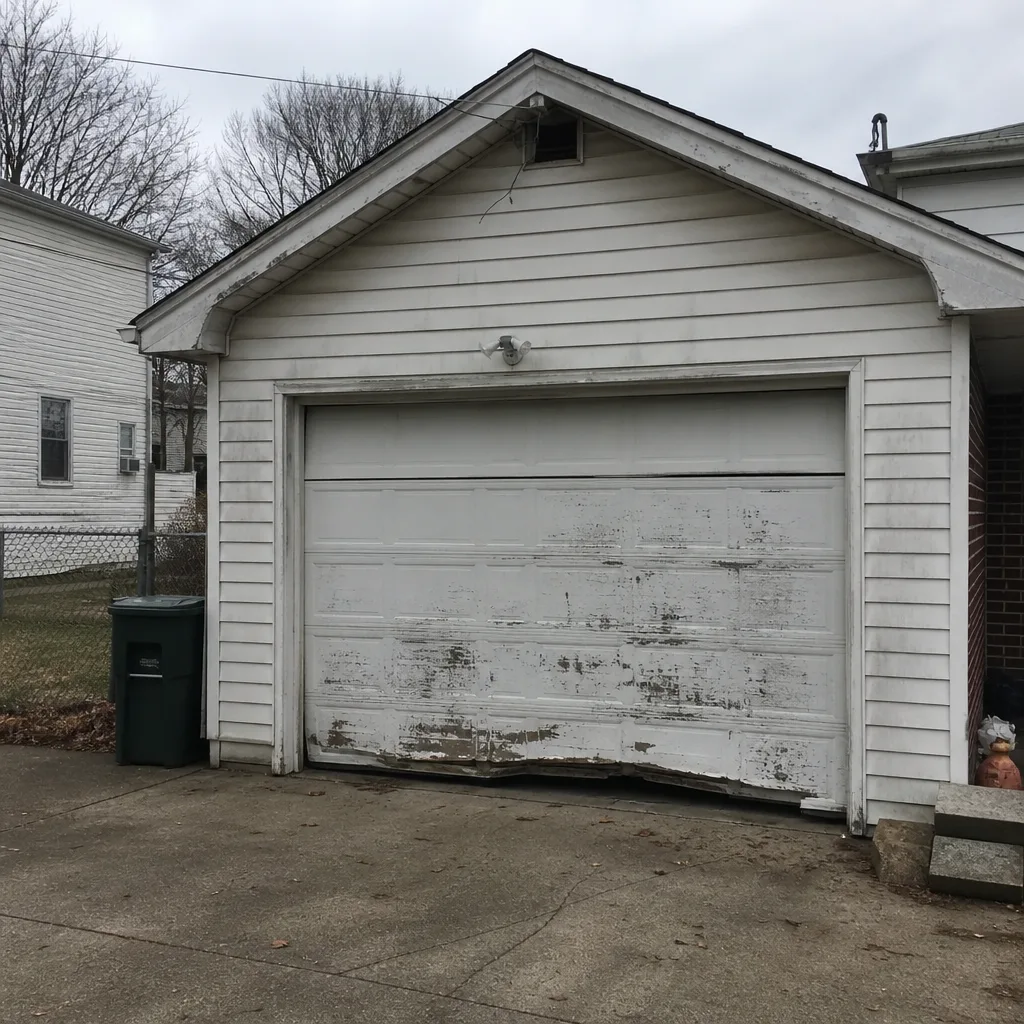 Before
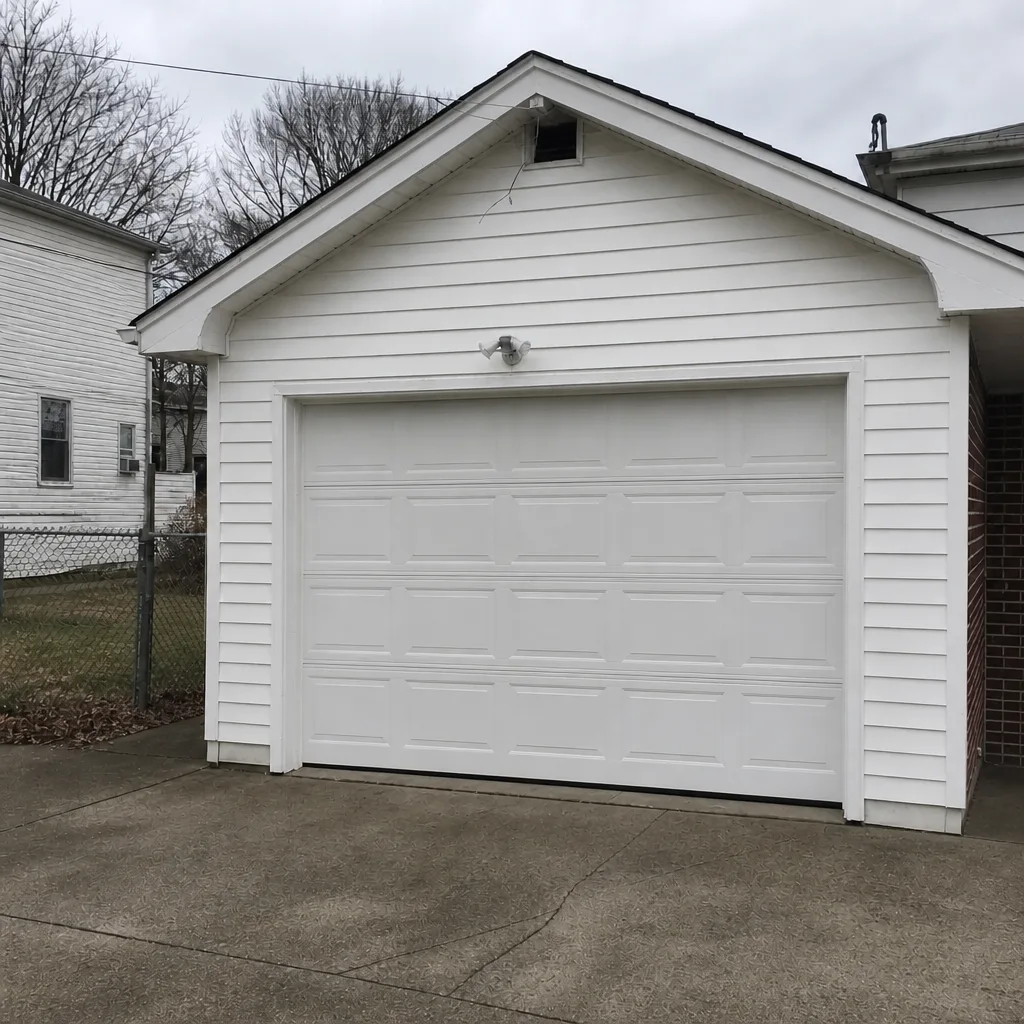 After
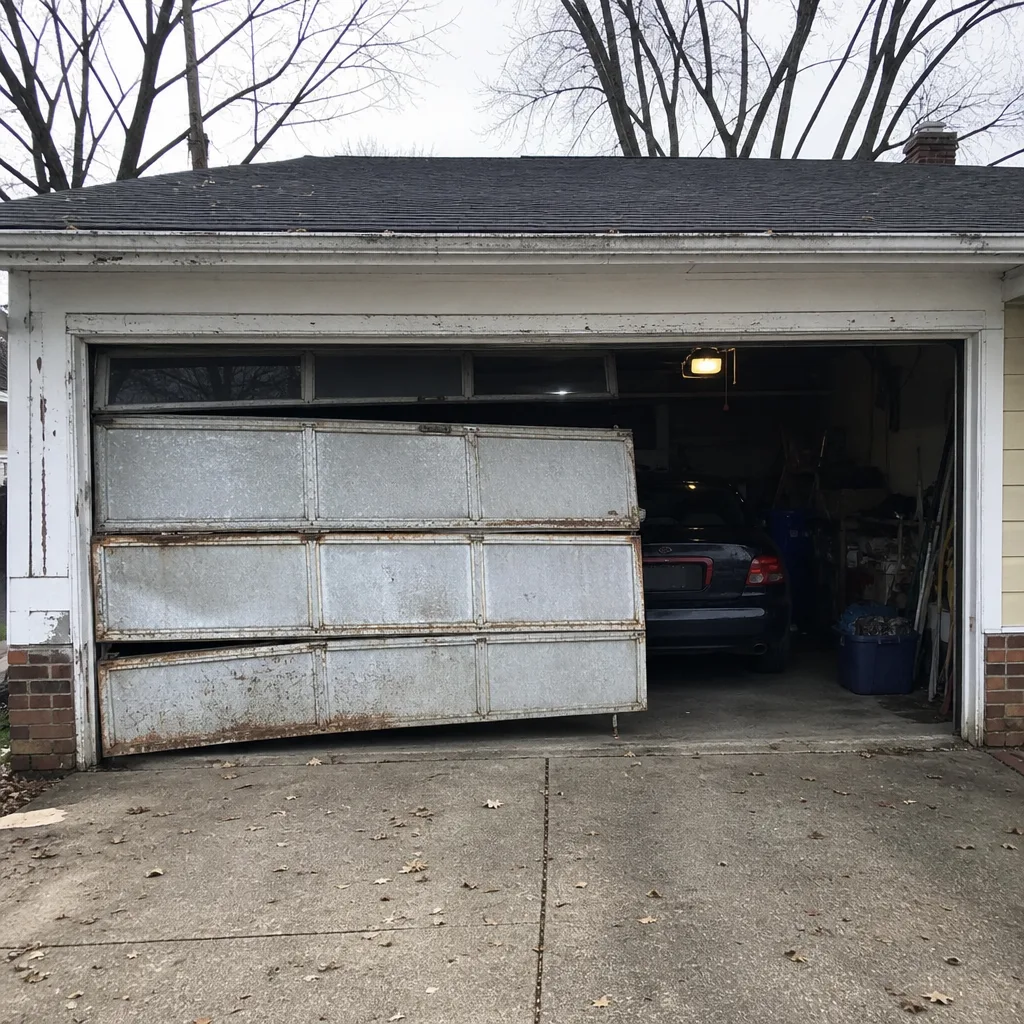 Before
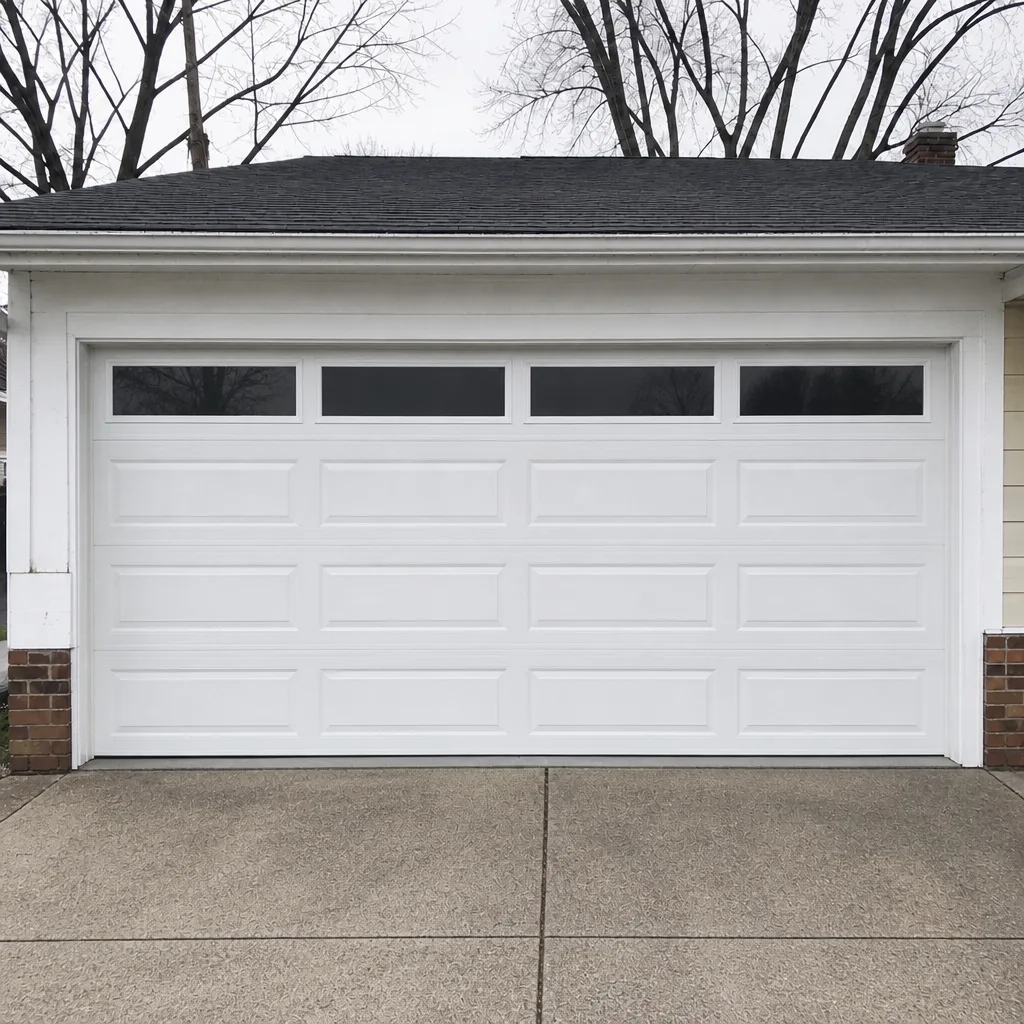 After
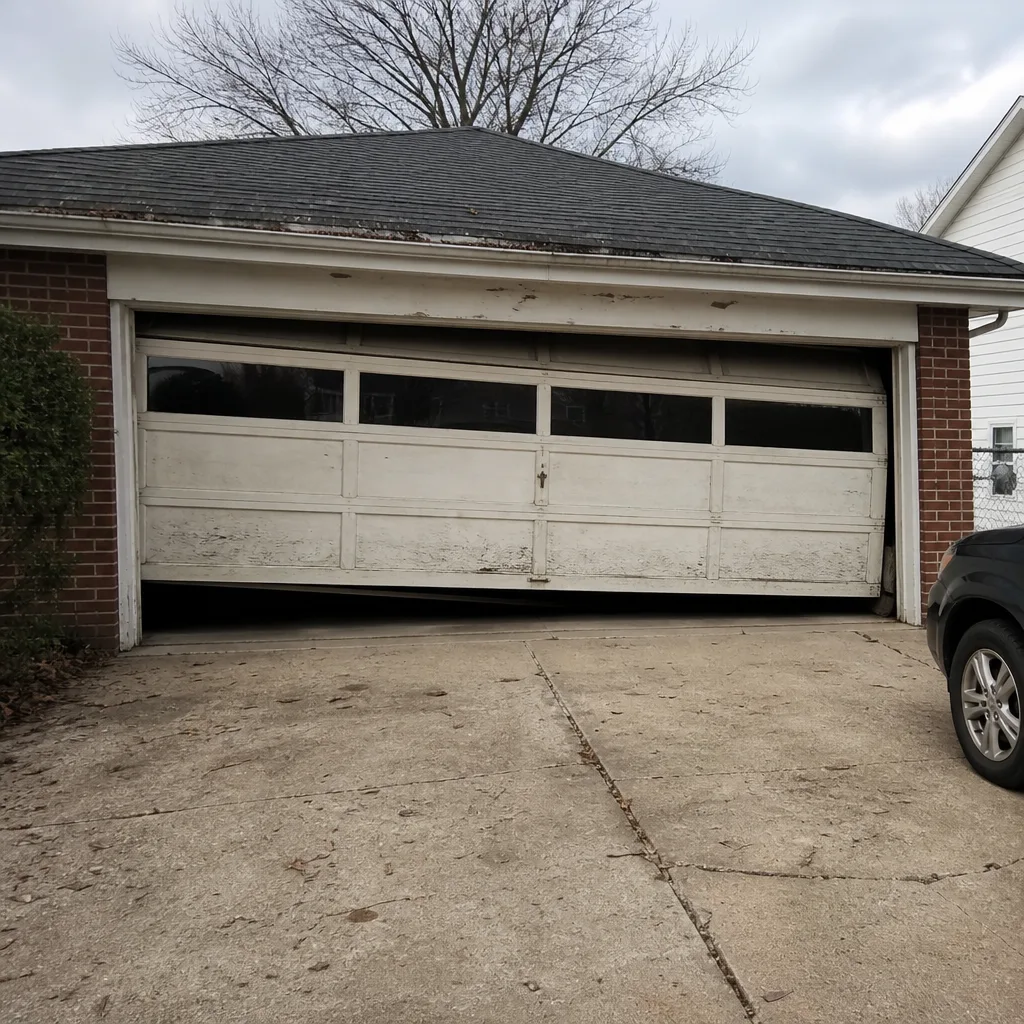 Before
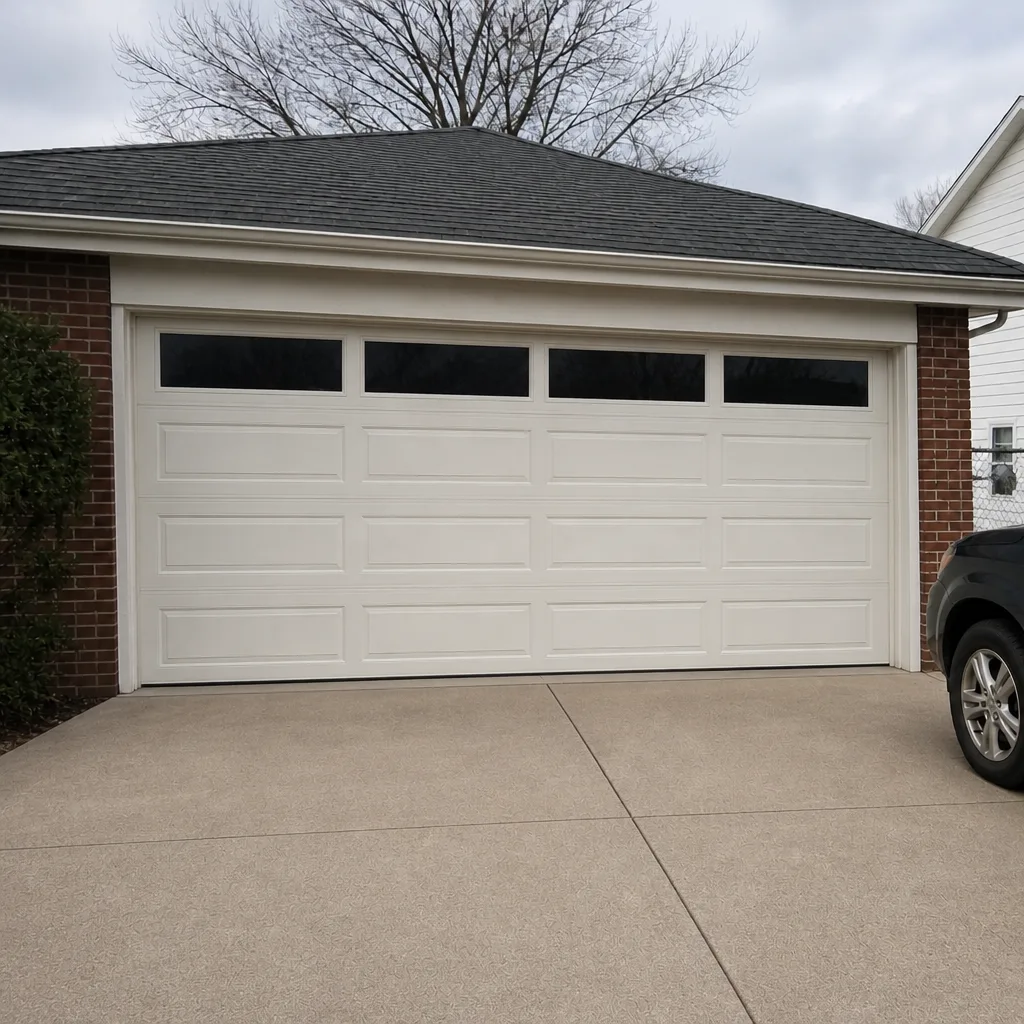 After
When to Call a Professional
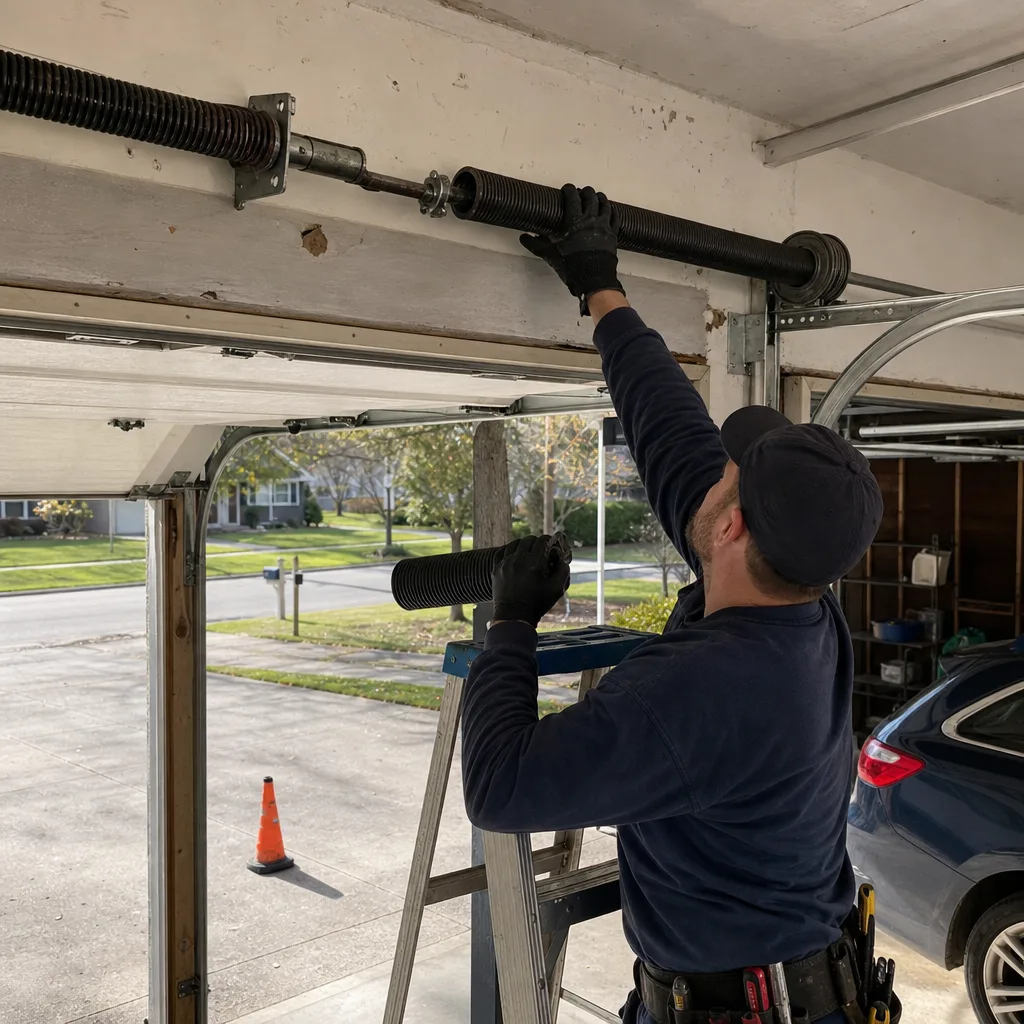
Some garage door work is within reach of a careful homeowner: keeping the tracks clean, replacing a worn weather seal, or tightening a loose hinge. But several categories genuinely need a trained professional. Any project that touches the structural framing or the rough opening is one – that’s permit territory and load-bearing work. Spring and cable work is another; torsion springs are under extreme tension and can cause serious injury if handled without the right tools and technique, so this is not a part you swap out yourself. Opener wiring is a third, for the same reason any electrical work is: the risk isn’t worth it. And any door that changes the load on its frame, or that fails to close properly and leaves the garage open, needs someone who can diagnose the cause rather than replace parts by guesswork. Our garage door opener repair and garage door installation pages cover the two largest categories of work we handle.
Garage Door Repair Lee-Harvard offers free estimates in Lee-Harvard – call (844) 956-5742. We answer 24/7. Fast dispatch from 7am to 7pm, Sunday through Friday. Our technicians have up to 14 years of experience, and we work on the equipment most often found in Northeast Ohio garages, including LiftMaster, Chamberlain, Genie, Clopay, and Amarr systems.
Frequently Asked Questions
Usually not, if you’re replacing the door with one of the same size and weight on the existing frame. A permit is generally required when the rough opening changes, a new header is added, or the frame is reinforced for a heavier door. The fastest way to know for your address is to call the local building department and describe the scope. Call (844) 956-5742 for an estimate and we’ll walk through the scope with you before anything is scheduled.
The inspection schedule depends on the project scope and the building department’s calendar, so we won’t guess at a number. What we can say is that structural projects involve a rough framing inspection before the door goes on, an electrical inspection if opener wiring is part of the scope, and a final inspection. Each is a separate visit. Call (844) 956-5742 and we’ll help you map out the sequence for your project.
It usually comes up during the buyer’s home inspection or the title search, and the buyer’s inspector asks for documentation. The seller can’t produce it if the work isn’t on record with the city, and the usual outcomes are a correction permit after the fact or a price concession at closing. Neither is impossible to fix, but both are easier to prevent than to resolve mid-sale. Call (844) 956-5742 before the project starts to confirm which permit path applies.
Insurers typically care most about whether the door is in good working condition and whether any structural changes were done with proper permits, but the specifics depend on your policy. Check with your insurer before the work is done so you know what documentation they’ll want. We can help you understand the scope of the work; we can’t advise on coverage. Call (844) 956-5742 for a free estimate.
A like-for-like swap without structural changes isn’t something a permit office typically requires, but a garage door is a heavy, spring-loaded system and the installation involves tension springs, cables, and accurate track alignment. Getting that wrong is a real safety risk, not just a code question. For any project that touches framing or changes the opening, a permit and a trained installer are both the right call. Call (844) 956-5742 to talk through your situation.
Ohio’s residential code applies wind-load requirements based on the building’s exposure and geometry, and a garage door is a large surface that wind tests hard in this climate. If you’re upsizing the door or reinforcing an older frame, the wind-load rating of the new door has to match the opening. This is one of the questions to ask your contractor in writing before the door is ordered. Call (844) 956-5742 for a free estimate and we’ll check the frame condition with you.
The Bottom Line
Most garage door replacements in Lee-Harvard don’t need a permit – a straight swap onto the existing frame is normally just door work. But the moment your project changes the rough opening, adds a header, reinforces an older frame for a heavier door, or adds new opener wiring, you’re into permitted work. Cuyahoga County inspections for those projects check framing, attachment, and electrical compliance, and the paperwork matters most during a future home sale. Ask your contractor to put the permit scope in writing before work begins, keep the signed-off record, and don’t let a generalist wave the question away.
If your garage door needs repair, an opener fixed, or a new door measured and installed, call Garage Door Repair Lee-Harvard at (844) 956-5742 for a free estimate. Estimates are free, the price is quoted and agreed before work starts, and the written estimate sets the final price. We answer 24/7. Fast dispatch from 7am to 7pm, Sunday through Friday.
Written by the team at Garage Door Repair Lee-Harvard.