
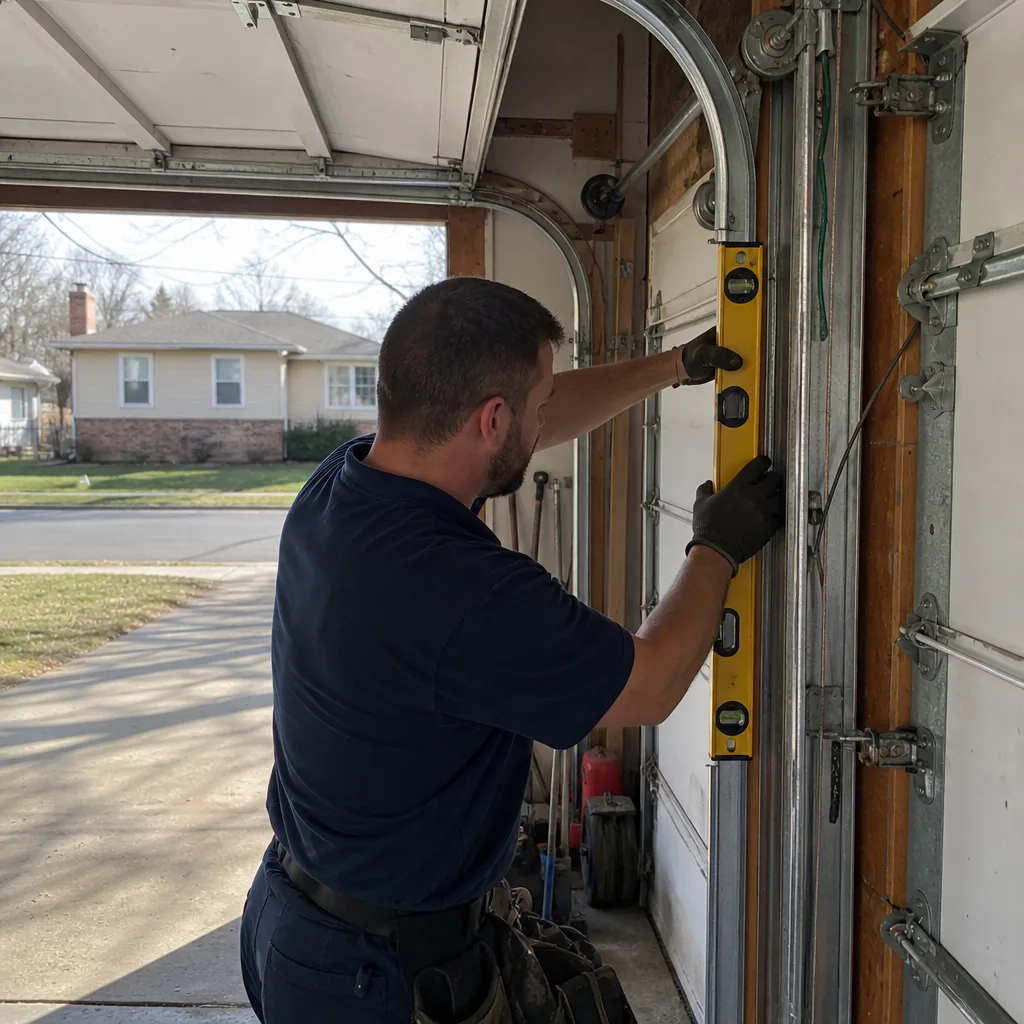
Last updated November 20, 2026
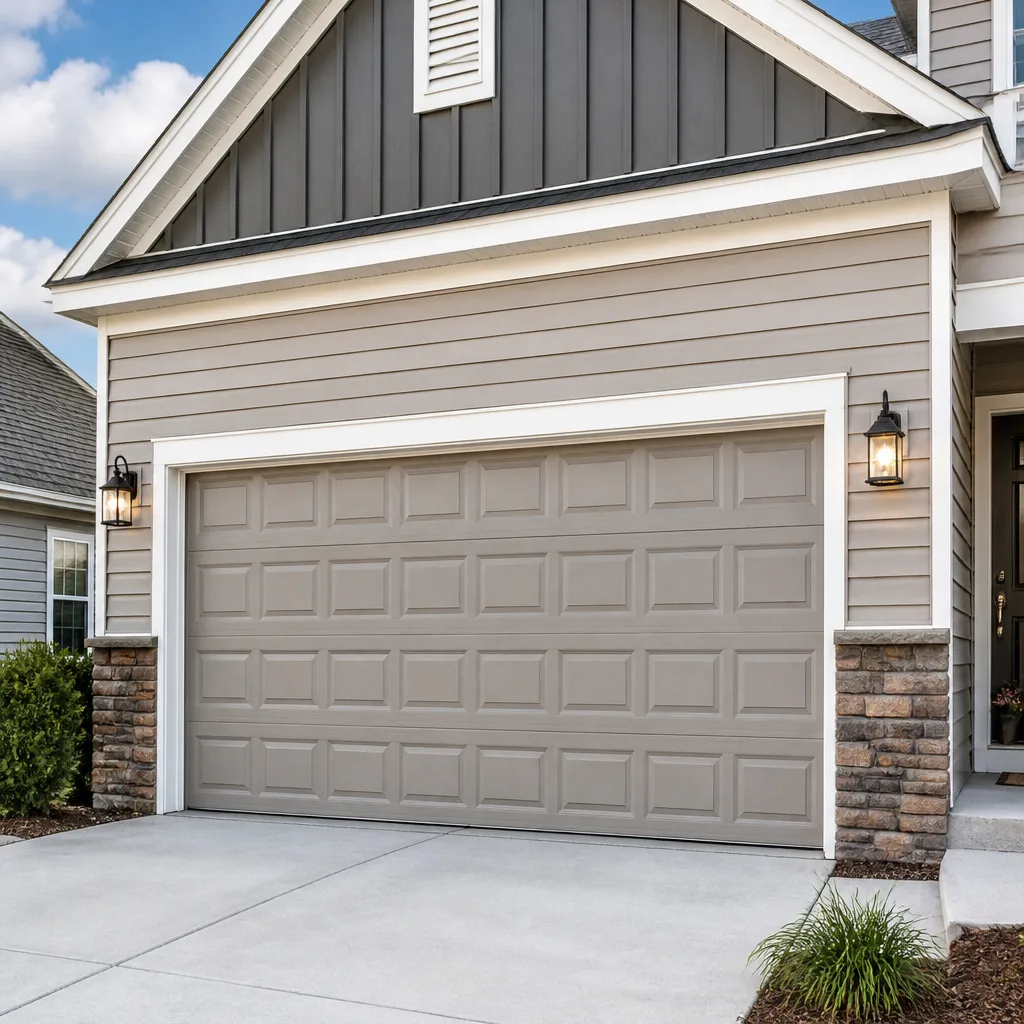 Raised-panel steel
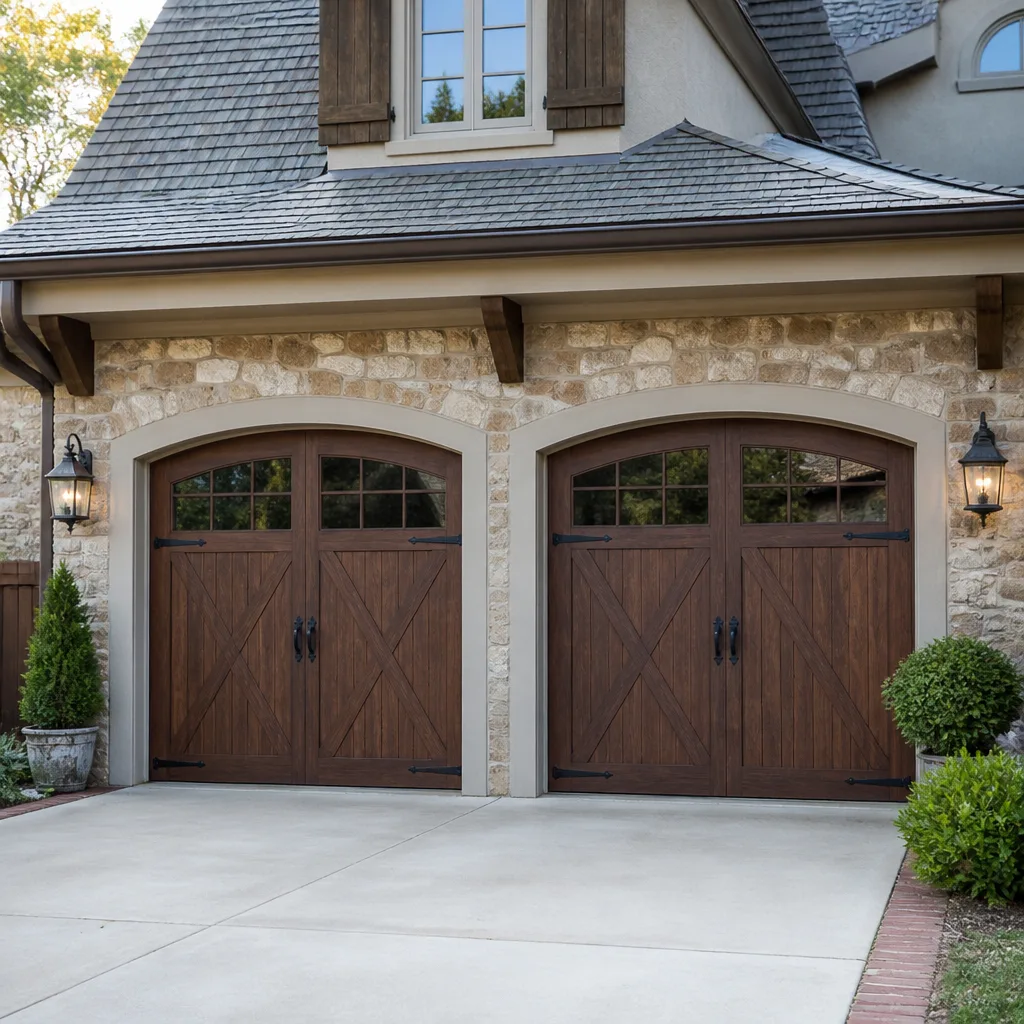 Carriage house
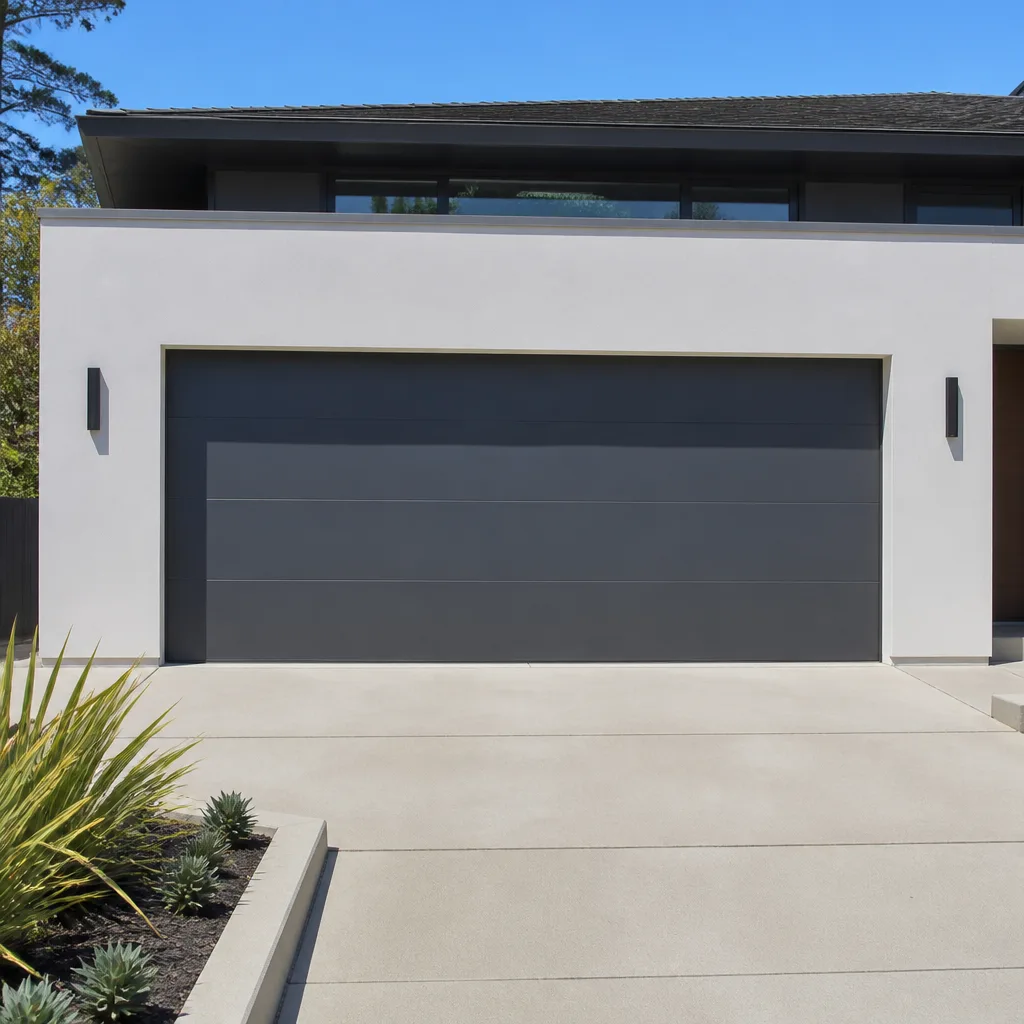 Modern flush
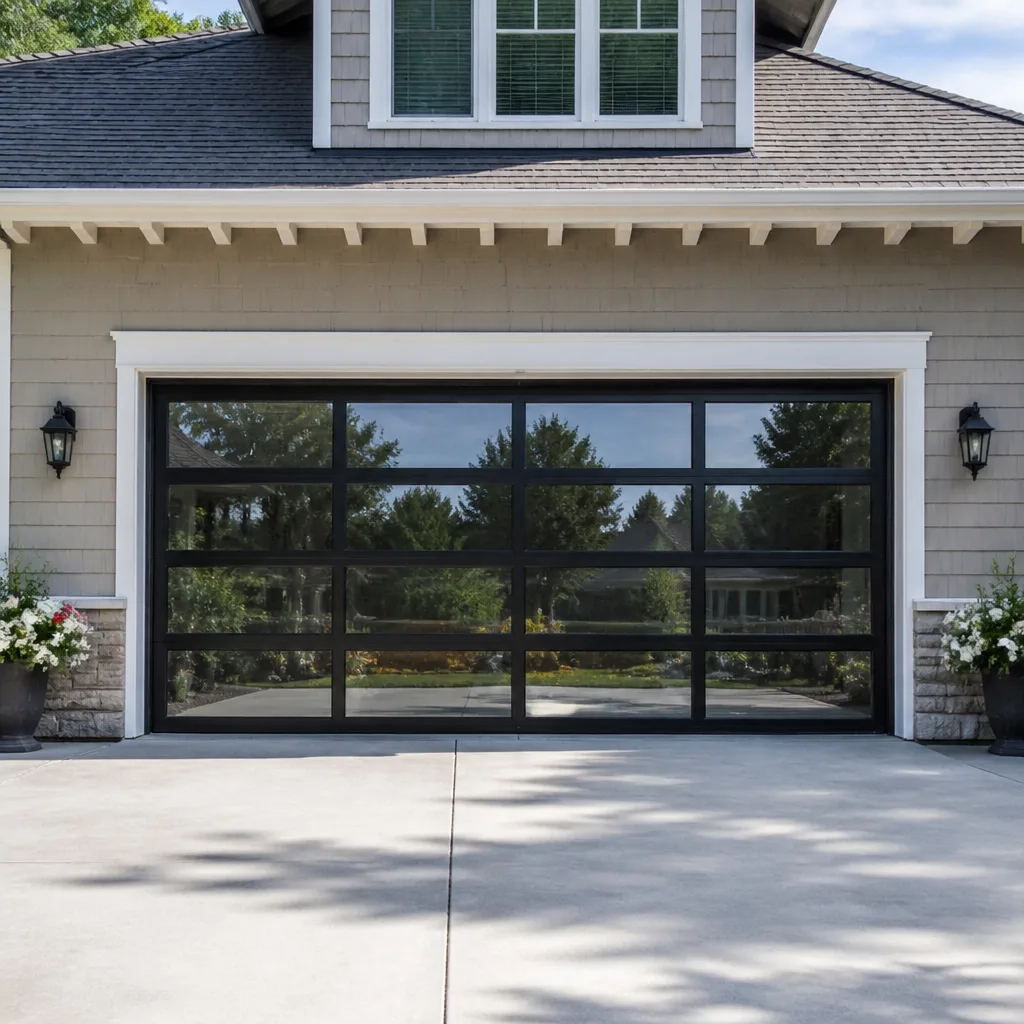 Full-view glass
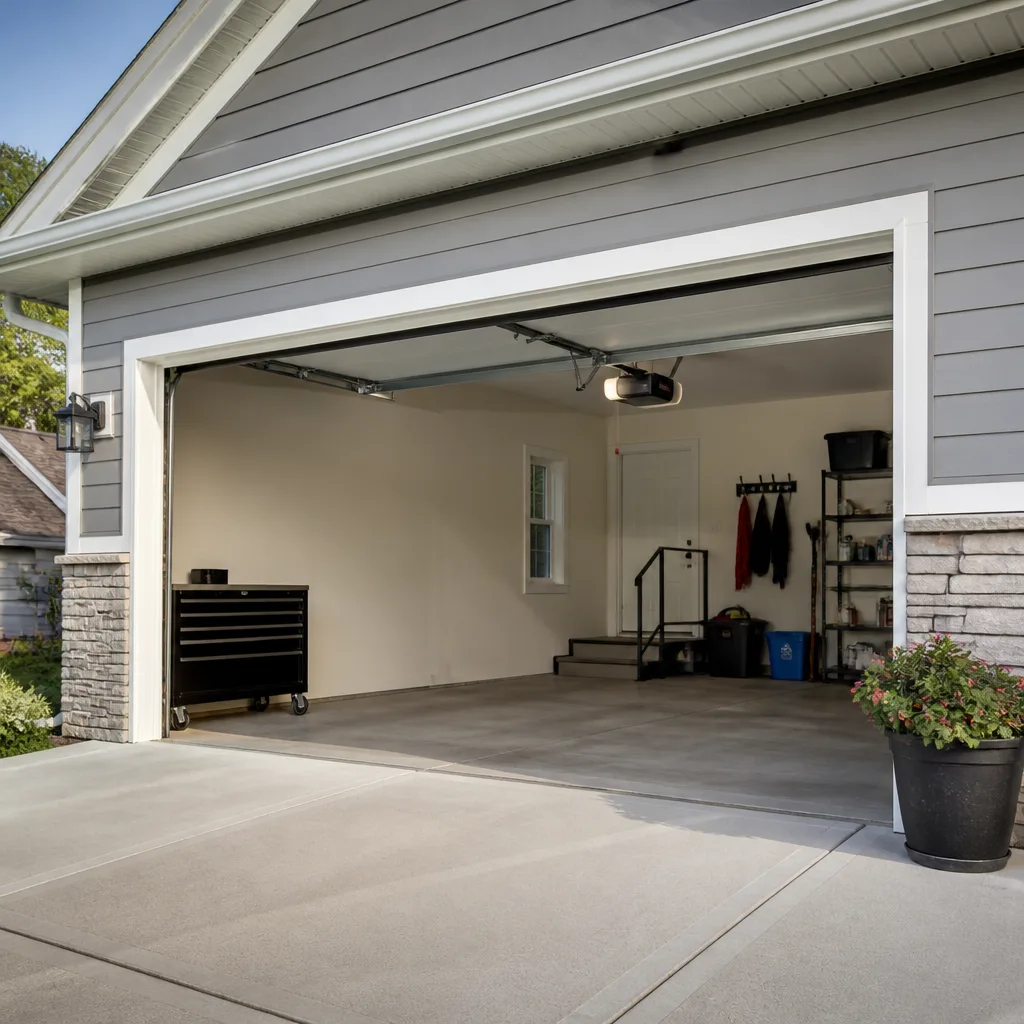 LiftMaster openers
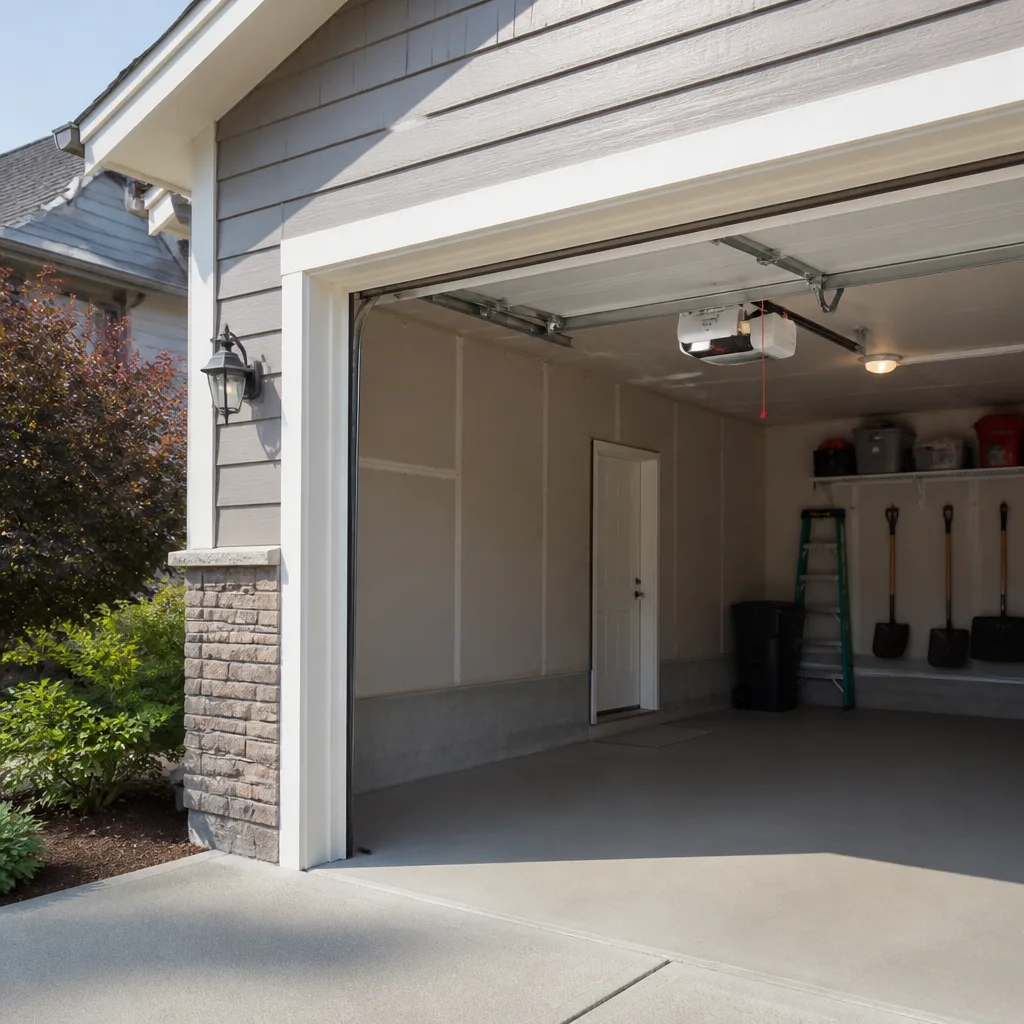 Chamberlain openers
Full 25-point door and opener safety check with every visit - springs, cables, rollers, tracks, and your LiftMaster or Chamberlain opener included
You get a price before we start. It does not change when the pro arrives.
Get your free estimateThe Complete Guide to Garage Doors in Lee-Harvard
Most garage door advice you’ll find online was written for a national audience that has never seen a Lee-Harvard street. It assumes a newer house, a standard door, and a homeowner who calls a general handyman when something breaks. None of that matches this neighborhood. Lee-Harvard’s mix of mid-century brick ranches and 1970s-80s colonials means a large share of homes are still running doors and hardware that were installed decades ago and were never designed to last this long. Most homeowners don’t find that out until a spring snaps or an opener quits. This guide is written for the houses and weather you actually live with, so you can tell a repair that lasts from one that patches for a few weeks.
Quick Answer
Garage door problems in Lee-Harvard usually come down to age and the freeze-thaw cycle: original springs, cables, and openers from the 1960s through the 1980s fail under winter temperature swings, and the right fix depends on whether the door hardware is still serviceable or has reached the end of its life. A broken spring, frayed cable, or opener that won’t close is a repair; a bent track, cracked panel, or opener that no longer matches the door often points toward replacement. Either way, the price should be quoted and agreed before any work starts.
Styles & brands we work with
- Raised-panel steel
- Carriage house
- Modern flush
- Full-view glass
- LiftMaster openers
- Chamberlain openers
Table of Contents
- How Lee-Harvard’s Housing Stock Affects Your Door
- Why the Lake Erie Freeze-Thaw Cycle Is Hard on Springs
- The Full Service Spectrum: Springs, Cables, Tracks, Openers, Panels, Replacements
- The Brand Landscape in This Part of Cuyahoga County
- Repair or Replace: How to Tell If a Fix Will Last
- What Actually Keeps a Door Running
- What Garage Door Work Typically Costs in Lee-Harvard
How Lee-Harvard’s Housing Stock Affects Your Door
Lee-Harvard grew up in two main waves, and both waves left their mark on the garage doors you see today. The brick ranches from the post-war years were built with single-car garages and narrow openings, often with a low header over the door. The colonials that went up in the 1970s and 1980s came with wider two-car openings and the openers that were common at the time. Walk down almost any residential block in Lee-Harvard and you’ll see both, and each brings its own set of headaches when something fails.
The practical result is that there’s no single “standard” door in this neighborhood. A technician who assumes a modern 16-foot opening is going to be wrong on a lot of Lee-Harvard homes. Here’s what the older housing stock means in practice:
- Door sizing. Older single-car garages often measure under the standard modern width, so a replacement door has to be measured on site rather than ordered from a catalog spec.
- Header clearance. Low headers on mid-century ranches can limit which openers and track configurations will fit without modification.
- Opener compatibility. An opener installed in the 1980s may not have the safety reverse features a newer door requires, and a new opener may not pair with the old door’s weight and balance.
- Wall and ceiling condition. Older framing in Lee-Harvard garages sometimes needs attention before a new opener or track can be mounted safely.
This is why a free measure matters on anything beyond a straightforward repair. Replacing a door on a Lee-Harvard ranch starts with measuring the actual opening, checking the header, and confirming what the existing opener can support. When you’re ready to look at a new door, our garage door installation team handles that measure and puts the numbers in writing.
Why the Lake Erie Freeze-Thaw Cycle Is Hard on Springs
A torsion spring is a coiled piece of steel under constant tension, and its job is to counterbalance the weight of the door. The enemy of that steel is repeated expansion and contraction. Lee-Harvard sits close enough to Lake Erie’s weather patterns that winters bring hard overnight freezes followed by milder daytime thaws, and that swing happens over and over through the season. Every cycle works the metal a little more. Nationally, a spring might be rated for a set number of cycles, but in a climate that produces more freeze-thaw swings than a mild-winter region, those cycles get used up faster.
What that means for you:
- Springs fail more often in cold months. A snap usually happens on the coldest morning, when the metal is most brittle.
- Two springs should be replaced as a pair. If one fails, the other is at the same age and has lived through the same cycles. Replacing one spring and leaving the other means a second breakdown is likely soon.
- Cables and rollers wear from the same cause. Frayed cables and stiff rollers are common in Lee-Harvard garages because they’ve seen the same temperature swings as the springs.
- Lubrication matters more here. A door that runs smoothly puts less stress on the spring, and in this climate that pays off over a winter.
Springs and cables are dangerous. They’re under high tension, and a spring that lets go while someone is working near it can cause serious injury. We don’t recommend working on them yourself. If a spring breaks, the right move is to keep the door closed and call a specialist. Our garage door repair team handles spring and cable work as a routine part of the job, and it’s safer done by someone trained for it.
The Full Service Spectrum: Springs, Cables, Tracks, Openers, Panels, Replacements
Garage doors fail in a handful of predictable ways, and each one calls for a different response. Knowing which category your problem falls into helps you ask the right questions when you call a technician. Here’s how the spectrum breaks down:
- Springs. A snapped torsion or extension spring leaves the door too heavy to lift. This is the most common call in Lee-Harvard and always a repair, never a DIY job.
- Cables. Frayed or off-track cables are a safety issue. They work with the springs to lift the door, so a bad cable is replaced, not patched.
- Tracks. A bent track can be straightened if the damage is minor, but a badly bent or separated track usually points to replacement of that section.
- Openers. A door that won’t open or close smoothly may be an opener problem rather than a door problem. Motor, logic board, sensors, and remote issues all fall here.
- Panels. A cracked or dented panel can sometimes be replaced on its own, depending on brand and whether the panel is still made.
- Full replacement. When the door’s structure, insulation, or age makes repair uneconomical, a new door is the honest answer.
One of the reasons we focus only on garage doors is that these categories overlap constantly. A failing opener can be a symptom of a binding track. A door that closes unevenly can be a spring problem, not an opener problem. Getting the diagnosis right the first time is what keeps a repair from coming back in a few weeks. That’s also why a full-service company matters: from spring repair to opener service to a new installation, one call covers it, with no handoff to a second contractor who has to start the diagnosis over.
The Brand Landscape in This Part of Cuyahoga County
Garage door brands don’t all behave the same way, and the brand on your door or opener determines how a technician diagnoses the problem and how quickly parts can be sourced in this part of Cuyahoga County. Some brands are common enough in Lee-Harvard that parts are easy to find; others are less familiar and may need a special order, which adds lead time to a repair or a replacement.
We work with equipment from LiftMaster, Chamberlain, Genie, Clopay, Amarr, Wayne Dalton, Craftsman, and Raynor. That range covers most of what’s installed in Lee-Harvard homes, and it means a technician who knows your brand’s logic before arriving rather than guessing on site.
A few things worth knowing about the brands you’re likely to encounter:
- Clopay and Amarr are common on doors, and panel availability varies by model and production year, so a match isn’t always guaranteed for older doors.
- Genie openers are widespread in Lee-Harvard, and some older models have parts that are no longer in production, which affects the repair-or-replace decision.
- Wayne Dalton doors sometimes use brand-specific hardware, so a repair needs the right components rather than a generic substitute.
- LiftMaster and Chamberlain openers are common enough that parts and compatibility are usually straightforward to confirm.
If your brand isn’t one we’ve listed, call anyway. The brand list reflects the equipment we’re most familiar with, not the limit of what we can diagnose. When you need garage door opener repair and aren’t sure what’s installed, we can sort out the model when we’re there.
Repair or Replace: How to Tell If a Fix Will Last
This is the question most Lee-Harvard homeowners actually want answered, and it’s the one most guides skip. A repair that lasts years and a repair that lasts a few weeks can look identical when you’re writing the check. Here’s the decision framework we use when we’re looking at a door:
- Is the door’s core structure sound? If the panels, stiles, and bottom section are solid, a repair is usually worth doing. If the door itself is warped or rusted through, a repair is money spent on a door that’s already gone.
- Is the hardware still available? A spring, cable, or roller that’s still made is a straightforward repair. When a part for an older Genie or Wayne Dalton system is discontinued, the fix may only last until the next component fails.
- How old is the door? A door from the 1960s or 1970s that has never had major work is on borrowed time. Replacing one component at a time is often more expensive over a few years than a single replacement.
- Does the opener match the door? A repaired door paired with an opener that’s too old or too weak will fail again. Matching the two is what makes a repair last.
- What’s the honest answer? A specialist should be able to tell you whether a repair will buy you years or just weeks, and put that in the estimate rather than leaving it vague.
In our experience, the doors in Lee-Harvard that get the most years out of a repair are the ones with solid panels and hardware that’s still in production. The ones that don’t are the original doors from the neighborhood’s first building wave, where the metal itself has aged out. Our Garage Door Repair Lee-Harvard team can tell you which category your door is in before any work begins.
What Actually Keeps a Door Running
Maintenance is where most homeowners fall into a trap: they skip it until something breaks. A few habits, done a couple of times a year, are what keep a door from becoming a costly breakdown. None of these require special tools, and none involve touching the springs or cables, which should always be left to a trained technician.
Here’s what to check and how often:
- Balance test, twice a year. Disconnect the opener and lift the door halfway by hand. If it won’t stay put, the springs are losing tension and need a professional look.
- Visual check of cables and rollers, twice a year. Look for fraying, kinks, or flattened rollers. If you see damage, stop using the door and call.
- Lubrication, twice a year. A few drops of lubricant on the hinges, rollers, and track will reduce strain on the springs and opener. Skip the springs themselves.
- Sensor check, monthly. Make sure the safety sensors at the bottom of the tracks aren’t blocked or misaligned. A door that won’t close is often a sensor issue, not a broken door.
- Weather seal check, once a year. A worn bottom seal lets in cold air and water, which speeds up wear on the door’s bottom section.
These checks take maybe fifteen minutes and will tell you when to call before something fails. If a check turns up a problem you’re not sure about, call us. We answer 24/7 and can talk through what you’re seeing.
What Garage Door Work Typically Costs in Lee-Harvard
Garage door pricing in Lee-Harvard depends on the job, the brand, and whether parts need to be ordered, so any price you see should be treated as a range rather than a quote. What we can give you is the structure: the estimate is free, the price is set per job, and the number is agreed before any work starts. Here’s how the typical categories break down:
| Type of work | What it involves | Pricing basis |
|---|---|---|
| Spring repair | One torsion or extension spring, replaced and tested | Priced per spring; a matched pair typically costs about twice a single spring |
| Cable replacement | Frayed or off-track cable replaced and door re-balanced | Priced per job by written estimate |
| Track and roller work | Straightening or replacing a track section, replacing worn rollers | Priced per job by written estimate |
| Opener repair | Diagnosing and repairing motor, logic board, sensors, or remote issues | Priced per job by written estimate |
| Panel replacement | Replacing a cracked or dented panel, subject to availability | Priced per job by written estimate |
| New door installation | Measure, order, removal of old door, installation of new door and opener | Priced per job after a free measure and written estimate |
Two points worth making clear. First, the price you’re quoted is the price you pay, assuming no hidden damage turns up after the door is opened up, and if something changes we’ll talk to you before doing anything. Second, no work begins before you’ve agreed to the number in writing. That’s the standard we hold to for every job, whether it’s a single spring or a full replacement.
For an exact quote on your door, call (844) 956-5742. Estimates are free, and we answer 24/7.
Common Mistakes to Avoid
- Replacing one spring when both are due. If one spring fails, the other is the same age and has seen the same Lee-Harvard freeze-thaw cycles. Replacing one and leaving the other invites a second breakdown soon after.
- Ignoring a door that closes unevenly. A door that’s crooked is usually a sign of a failing spring or a bent track. Waiting for it to fail completely often turns a small repair into a bigger one.
- Calling a general handyman for a spring or cable job. These components are under high tension and need specialist tools and training. A generalist who “also does doors” can turn a repair into a safety problem.
- Assuming a new opener will fix a sticking door. If the track or spring is the problem, a new opener won’t solve it. Diagnosis comes first.
- Skipping the free measure on a replacement. Older Lee-Harvard garages often don’t match modern standard sizing. Ordering a door without measuring the actual opening can lead to a door that doesn’t fit.
- Letting a small dent or crack go. A cracked panel on an older door can let water into the door’s interior, which speeds up wear and can make the door harder to repair later.
- Skipping the twice-a-year balance test. A door that’s losing spring tension runs hard, which wears the opener and rollers faster. Catching it early is what keeps a repair small.
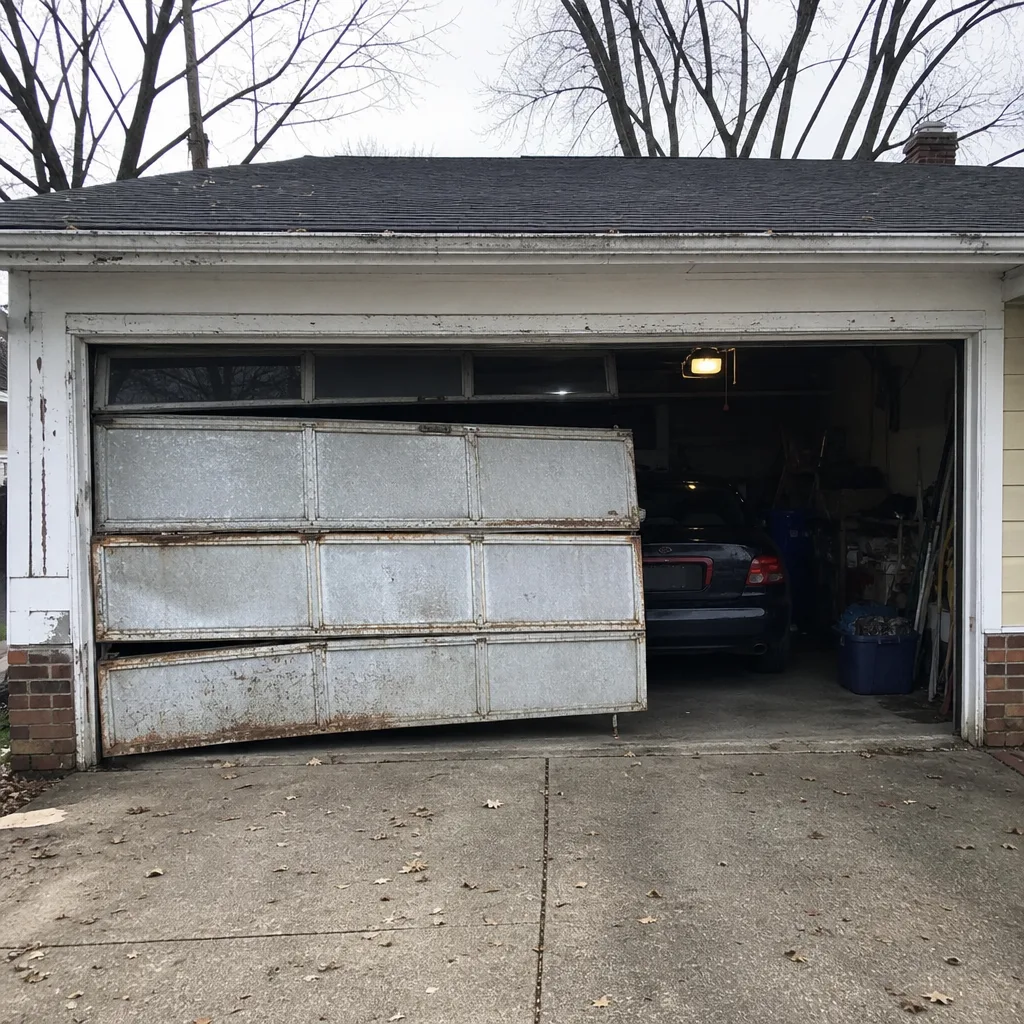
See the difference
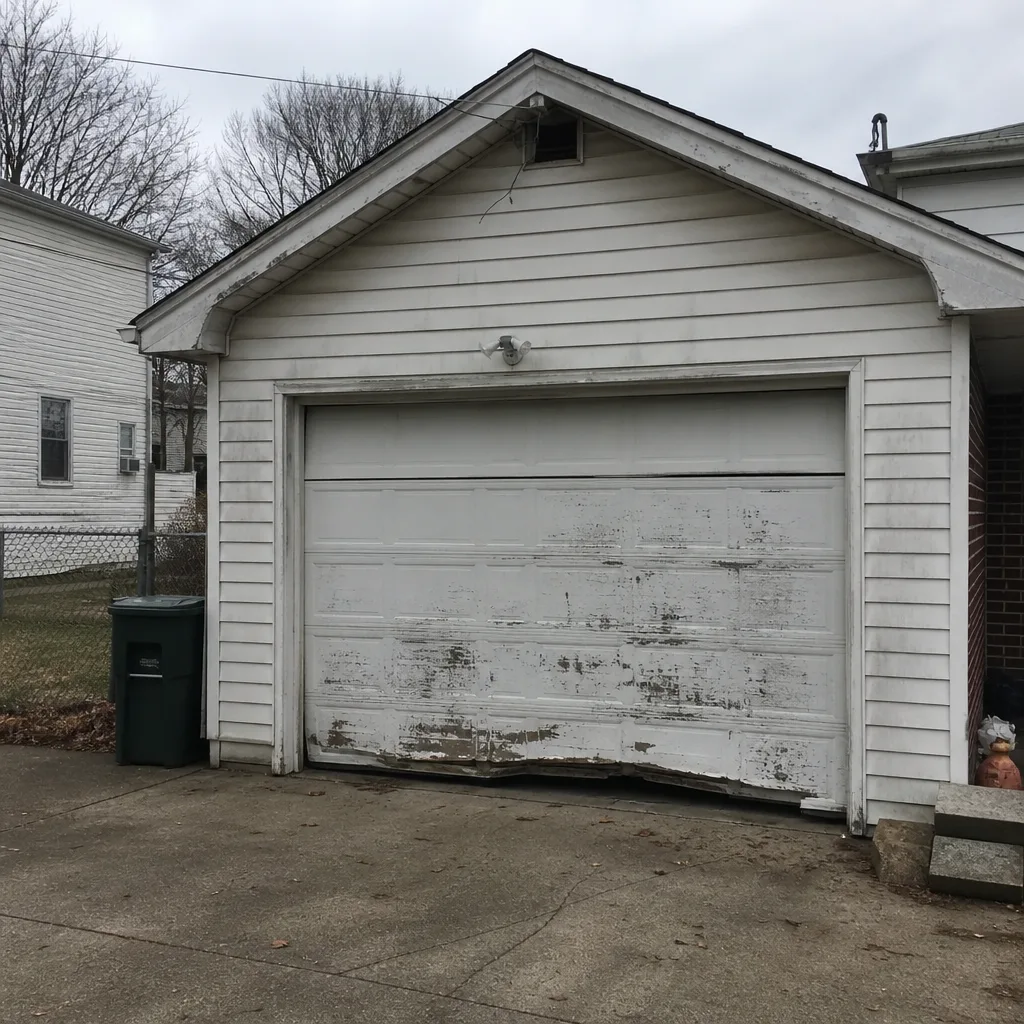 Before
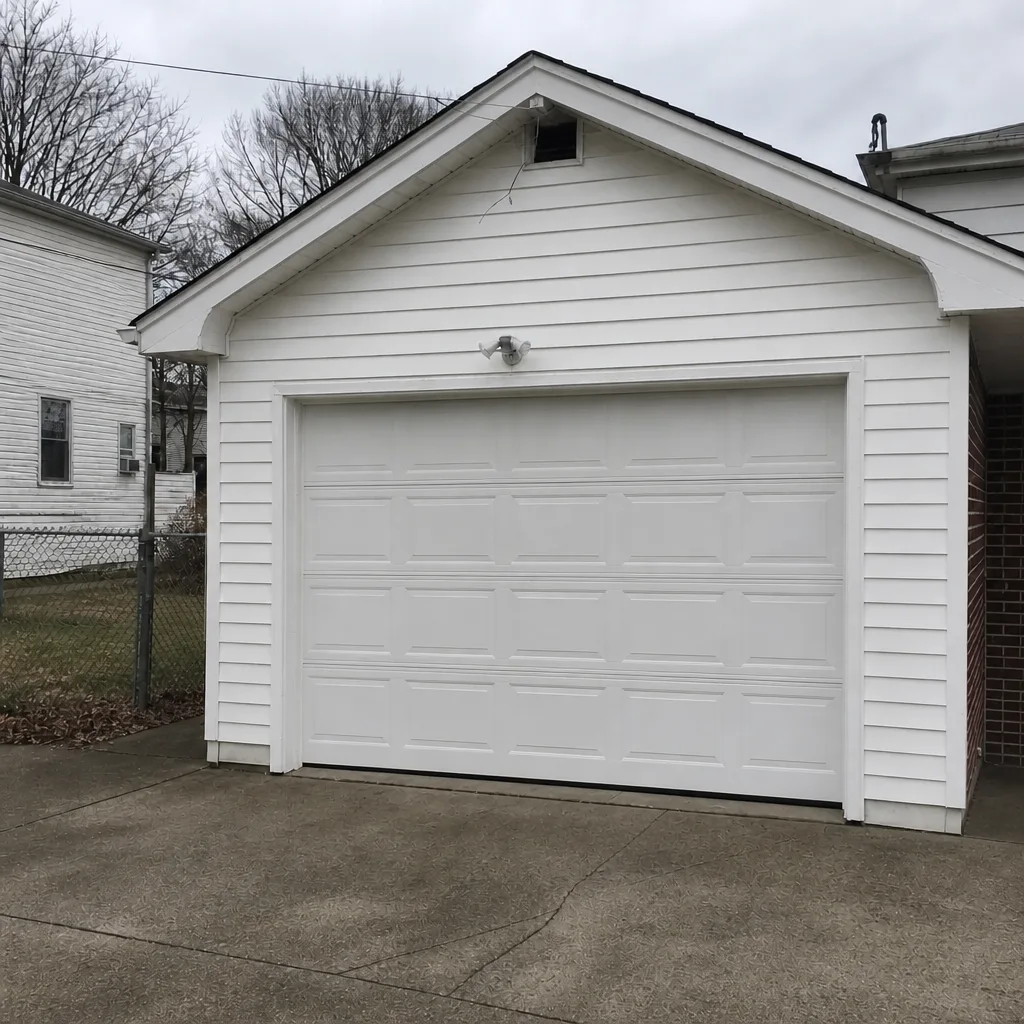 After
 Before
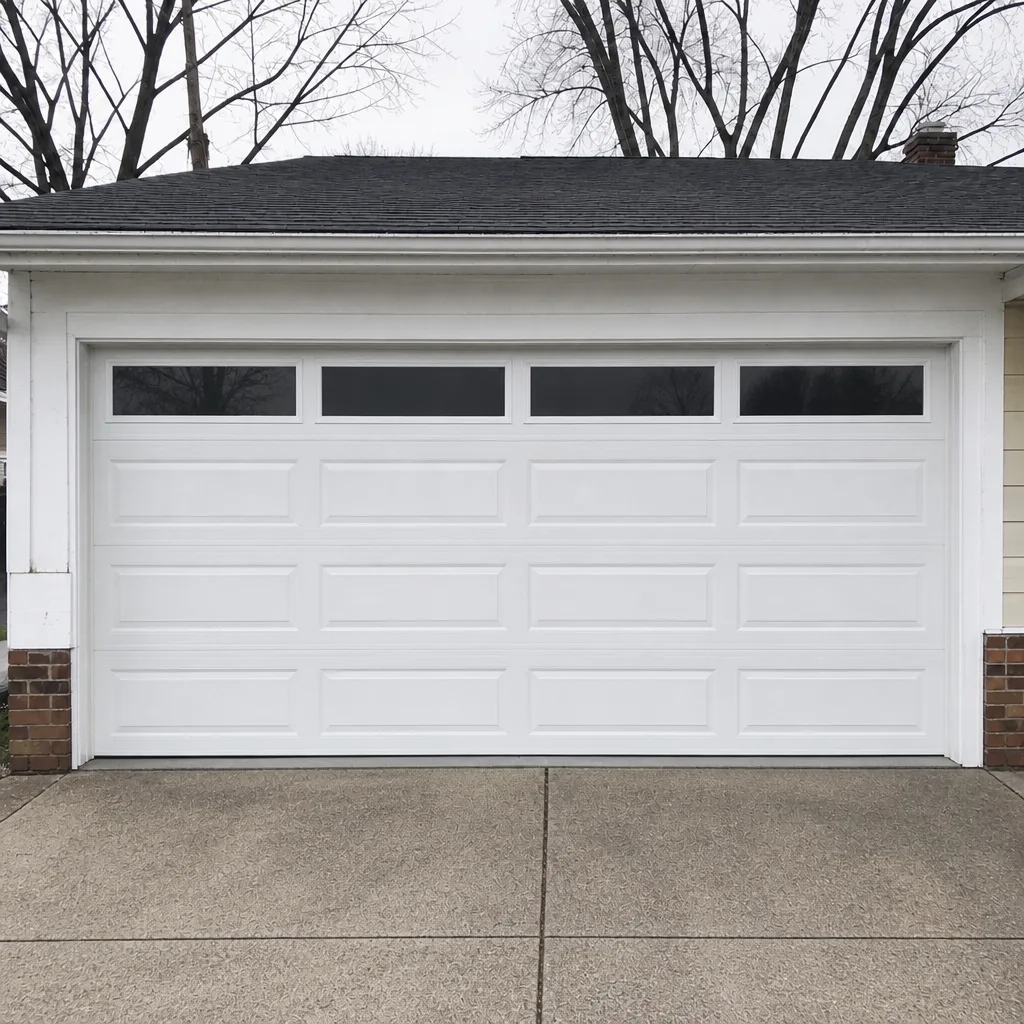 After
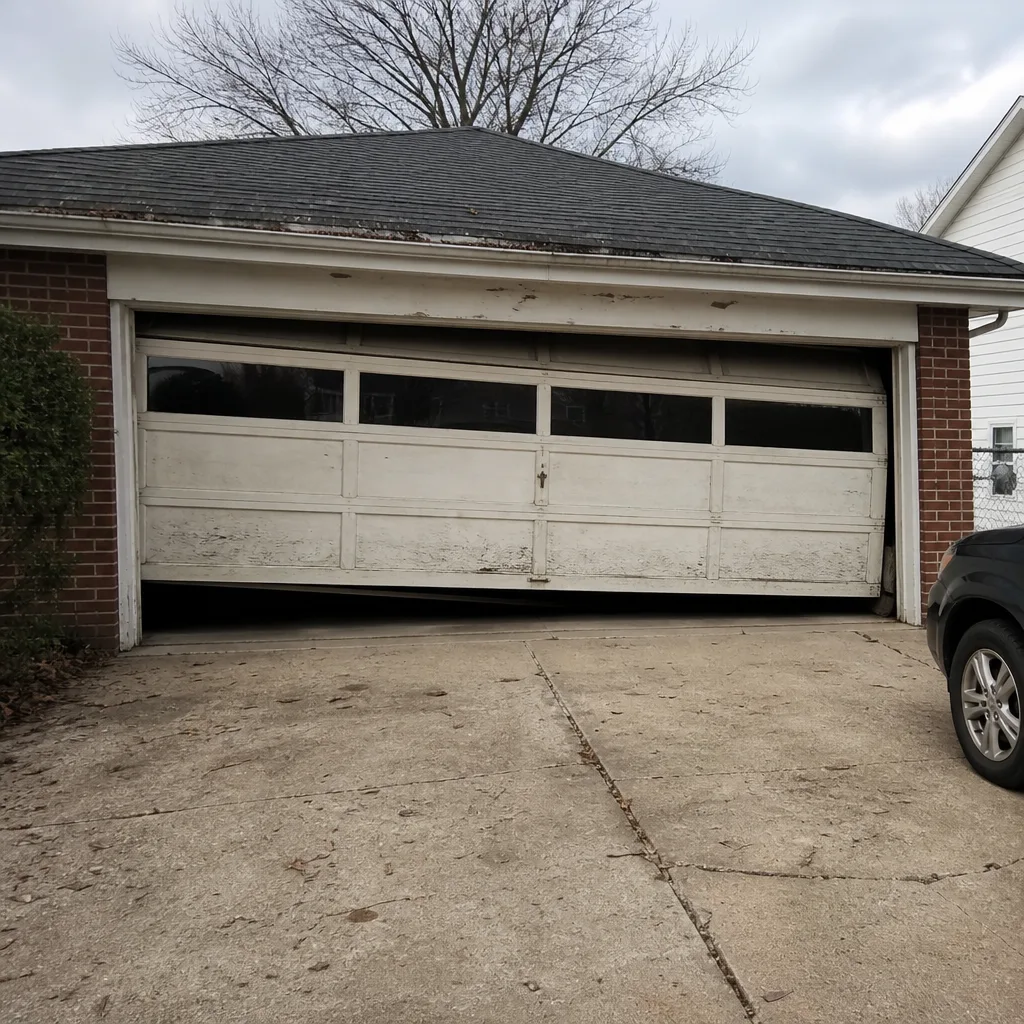 Before
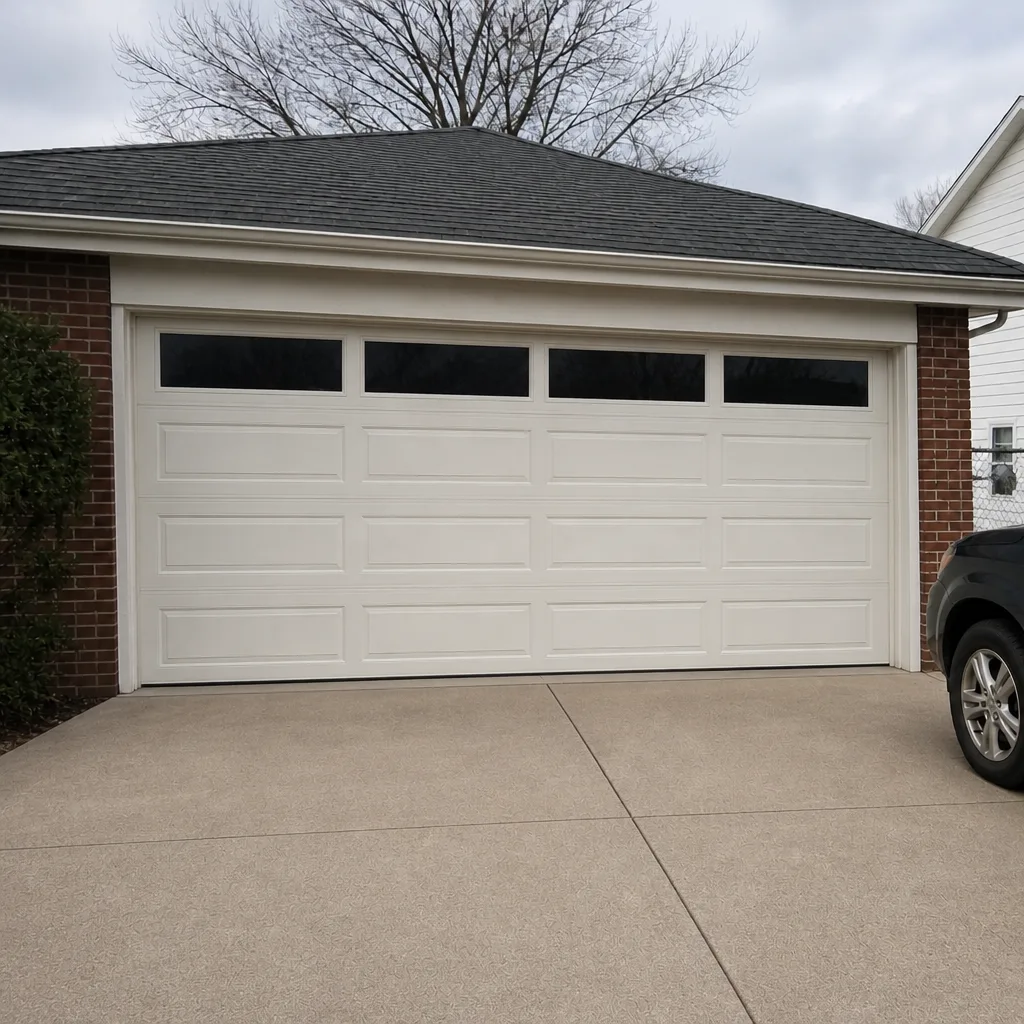 After
When to Call a Professional
Some garage door problems need a call today. A broken spring, a frayed or off-track cable, a door that won’t close, a door that closes unevenly, or an opener that’s stopped responding are all situations where a professional look is the safe move. Anything involving the springs or cables should never be a DIY job. If a door is stuck open, it’s a security problem as well as a mechanical one, and that’s a call worth making right away. Garage Door Repair Lee-Harvard offers free estimates in Lee-Harvard. Call (844) 956-5742 for a free estimate. We answer 24/7, with fast dispatch from 7am to 7pm, Sunday through Friday, and we’re closed Saturday.
Frequently Asked Questions
Garage door repair in Lee-Harvard is priced per job, and the estimate sets the final price, so the number you agree to is the number you pay. Spring repair is the most common call, and a matched pair of springs typically costs about twice a single spring because both get replaced together. Call (844) 956-5742 for an exact quote. Estimates are free.
Yes, same-day service is available for repair calls, and emergency service covers doors that won’t close or springs that have snapped. We answer 24/7, with fast dispatch from 7am to 7pm, Sunday through Friday, and we’re closed Saturday. A call outside dispatch hours is booked into the next opening. Call (844) 956-5742.
No. The price is quoted and agreed before any work starts, and if we find something different once the door is opened up, we talk to you about it before doing anything. The written estimate is what sets the final price. Call (844) 956-5742 for a free estimate.
Yes, the local pro is licensed and insured as their state requires, and our technicians have up to 14 years of experience. Garage doors are the only trade we cover, so the work is done by someone trained for it rather than a generalist. Call (844) 956-5742 to book an estimate.
Springs fail more often in Lee-Harvard winters because the freeze-thaw cycle near Lake Erie puts repeated stress on the steel. Each temperature swing works the metal a little more, and a spring under constant tension reaches its limit sooner here than in a milder climate. If a spring breaks, keep the door closed and call (844) 956-5742.
Yes. We work with equipment from LiftMaster, Chamberlain, Genie, Clopay, Amarr, Wayne Dalton, Craftsman, and Raynor, which covers most of what’s installed in Lee-Harvard homes, including older doors from the neighborhood’s first building wave. If your brand isn’t listed, call anyway. Call (844) 956-5742 to talk through what you have.
The Bottom Line
Garage doors in Lee-Harvard fail for reasons specific to this neighborhood: older housing stock, non-standard openings, and a freeze-thaw cycle that wears springs faster than a national average suggests. The right fix depends on whether the door’s structure and hardware are still serviceable. A broken spring or bad cable is a repair; a warped door or discontinued parts point toward replacement. Either way, the price should be quoted and agreed before work starts. If you’re not sure which category your door is in, call (844) 956-5742 for a free estimate. We answer 24/7, with fast dispatch from 7am to 7pm, Sunday through Friday, and we’re closed Saturday.
Written by the team at Garage Door Repair Lee-Harvard.