
Last updated November 20, 2026
 Raised-panel steel
 Carriage house
 Modern flush
 Full-view glass
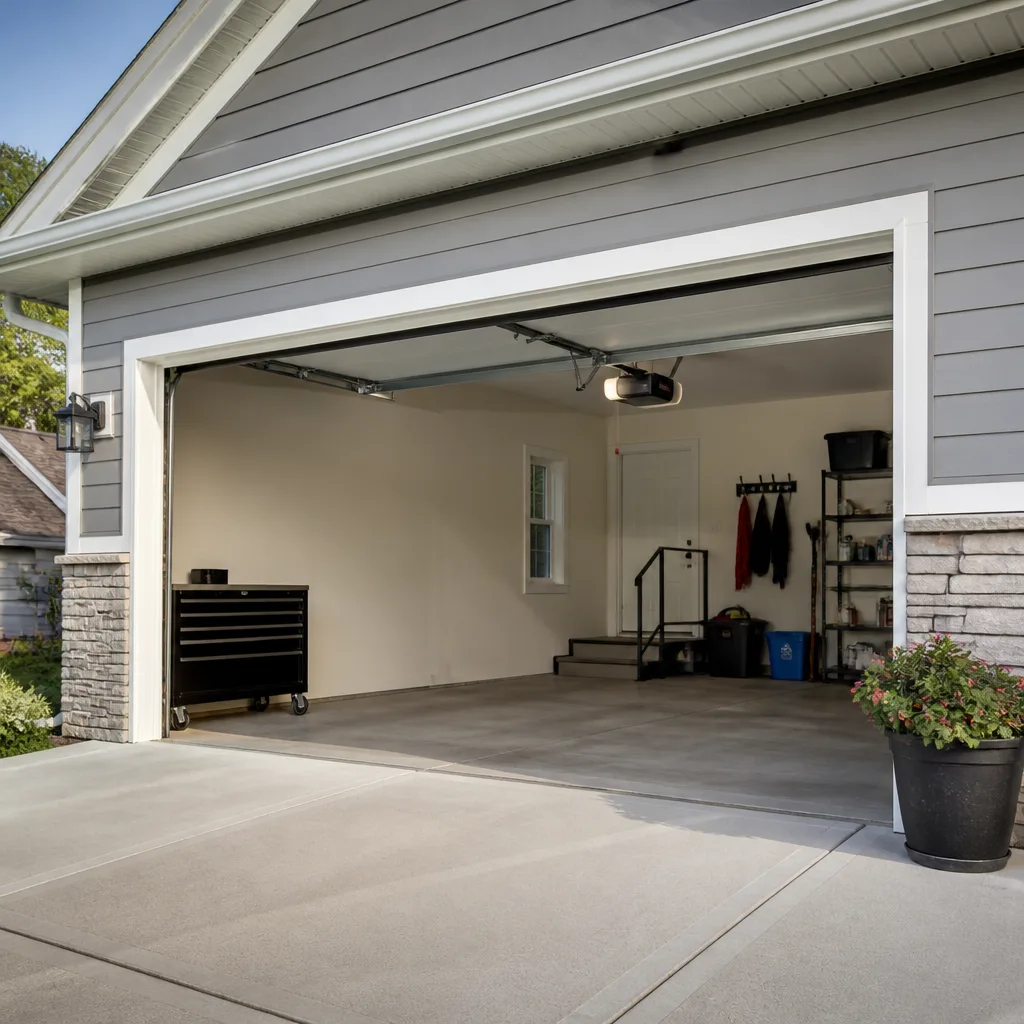 LiftMaster openers
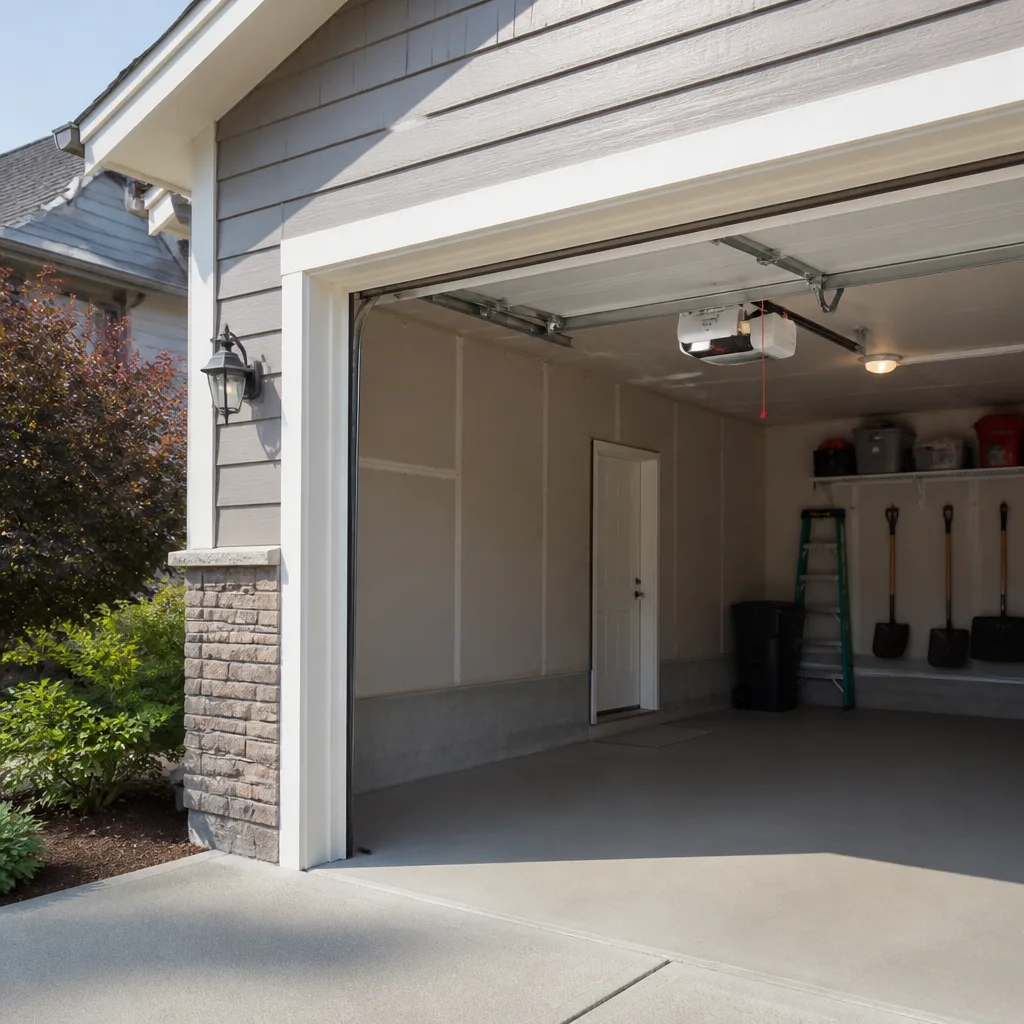 Chamberlain openers
Full 25-point door and opener safety check with every visit - springs, cables, rollers, tracks, and your LiftMaster or Chamberlain opener included
You get a price before we start. It does not change when the pro arrives.
Get your free estimateSeasonal Garage Door Care for Lee-Harvard: Year-Round Homeowner’s Guide
Winter gets all the attention when it comes to garage door problems. That’s the common wisdom, and in Lee-Harvard it’s only half right. Late summer in Northeast Ohio, when the swing between daytime heat and cool nights is at its sharpest, is actually when weatherstripping fails fastest and when expanding metal track starts to bind against the door. The parts of a garage door system that break first change with the calendar, and each of Lee-Harvard’s four seasons pushes a different component toward failure. This guide walks through those four failure modes, the inspection priorities each one calls for, and the single monthly habit that catches most developing problems before they turn into emergency calls.
Quick Answer
Garage doors in Lee-Harvard need different attention in each season: a post-winter inspection for spring tension and bottom seal damage, summer checks for track expansion and opener sensitivity in high humidity, a pre-winter prep sequence that prevents the most common January failures, and careful handling of a frozen bottom seal to avoid stripping the opener. A monthly balance test catches the majority of developing problems while they’re still inexpensive to fix.
Styles & brands we work with
- Raised-panel steel
- Carriage house
- Modern flush
- Full-view glass
- LiftMaster openers
- Chamberlain openers
Table of Contents
- Why Garage Doors Fail Differently in Each Lee-Harvard Season
- Spring: The Post-Winter Inspection That Matters Most
- Summer: Heat Expansion, Track Binding, and Opener Sensitivity
- Fall: The Pre-Winter Prep Sequence That Prevents January Calls
- Winter: What to Do When the Bottom Seal Freezes
- The Monthly Balance Test That Catches Most Problems Early
- Brand Matters: What We Look For on Common Systems
- A Simple Year-Round Care Calendar
Why Garage Doors Fail Differently in Each Lee-Harvard Season
A garage door is a mechanical system made of materials that move at different rates when temperature changes. Steel panels, aluminum track, rubber seals, and torsion springs all respond to heat and cold differently, and that mismatch is where wear starts. In Lee-Harvard, that mismatch plays out in four distinct waves across the year.
The freeze-thaw cycle of a Northeast Ohio winter is the obvious stressor. Water works into the gap under the bottom seal, freezes, expands, and lifts the rubber edge away from the concrete. Springs, meanwhile, spend months under tension in cold air that makes the steel more brittle, and they don’t always fail during winter itself. A lot of spring failures happen in the first warm weeks of spring, when the metal warms, relaxes, and the fatigue that built all winter suddenly shows.
Summer brings the opposite problem. Steel panels expand in midday heat and contract overnight. Track that was aligned in April can bow a fraction of an inch by August, which is enough to make rollers drag and the door bind as it travels. Rubber seals soften and can lose their grip on the frame. An opener that was calibrated in cool weather will push harder against a swollen door, which trips the safety reverse and leads to the intermittent “won’t close” calls we get in the hottest weeks.
- Spring exposes fatigue that built up over winter, plus seal adhesion failures from freeze-thaw.
- Summer stresses metal through expansion, and strains openers against tighter track clearances.
- Fall is the window to fix all of it before the cold locks it in.
- Winter punishes anything you left undone, especially seals and opener force settings.
That’s why a single annual service visit doesn’t fit Lee-Harvard. The right care is seasonal, and it’s targeted at whichever failure mode is about to become active.
Spring: The Post-Winter Inspection That Matters Most
The first thing to understand about a garage door spring is that it holds the entire weight of the door under tension. That makes it one of the most dangerous parts of a home, and it’s not something to handle yourself. What you can do in spring is inspect and report.
Walk around the closed door and look at the bottom seal where it meets the concrete. When water gets under the seal, freezes, and lifts it, you’ll see a gap, a wavy edge, or a crust of dried salt and grit where the rubber used to sit flat. A seal that no longer makes contact lets cold air, rain, and pests straight into the garage. Replacement is a straightforward job for a technician, but catching it early keeps water off the door’s bottom panel, where rust begins.
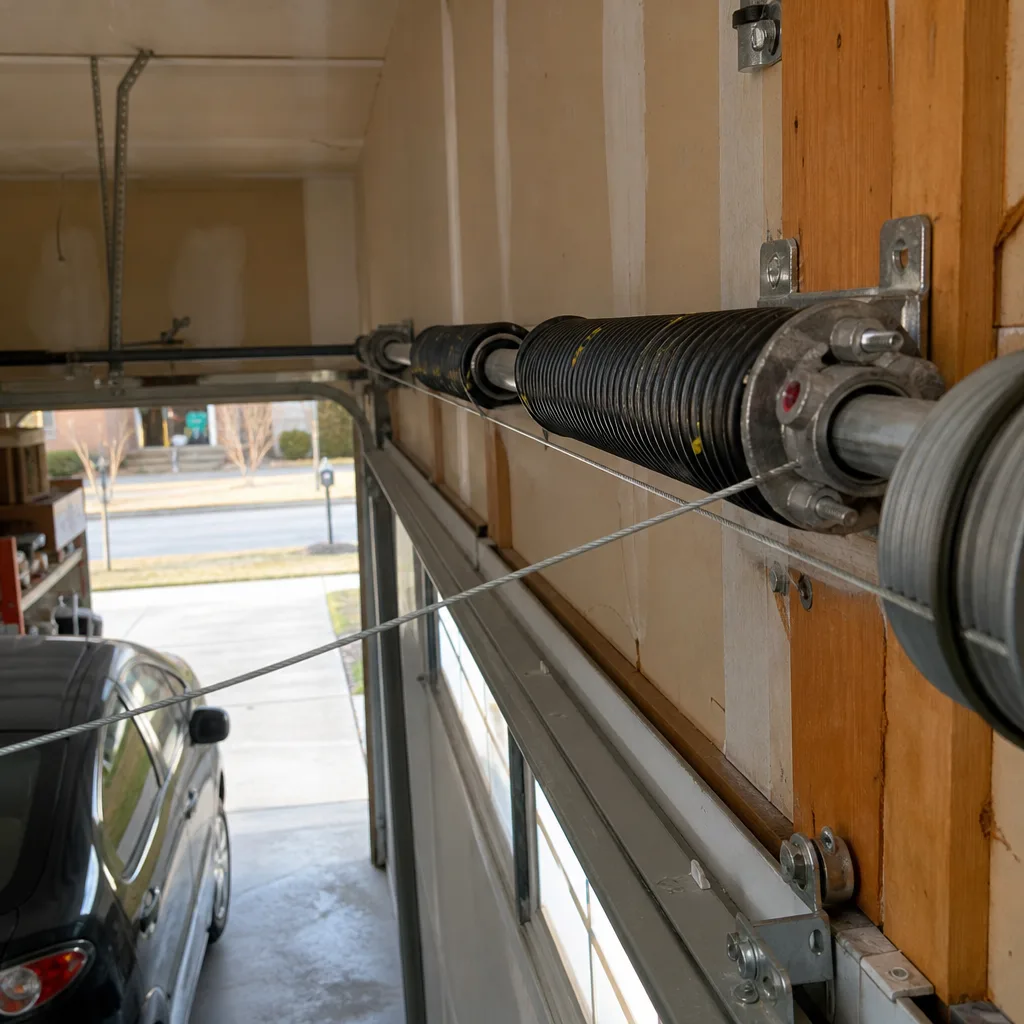
Check the springs visually, without touching them. Torsion springs run along the shaft above the door; extension springs sit alongside the horizontal track. Look for a visible gap in the coil, a stretched section, or heavy rust pitting. Don’t try to adjust tension yourself. If anything looks off, call a technician.
- Look along the bottom seal for gaps, waves, or lifted edges where thaw water worked its way in.
- Inspect springs visually for a clean break, a stretched section, or rust pitting, without touching them.
- Run the door by hand (with the opener disconnected) to check for binding or grinding in the track.
- Check that the safety reverse stops the door when it meets an object on the ground.
- Clean grit out of the track and lubricate rollers and hinges with a garage-door-specific lubricant.
This spring inspection is the one that most often surfaces hidden damage in Lee-Harvard, because the freeze-thaw cycle here is hard on seals and on spring steel. If it points to something you can’t fix with a wipe-down, that’s when garage door repair is worth calling for before the problem spreads.
Summer: Heat Expansion, Track Binding, and Opener Sensitivity
Summer does two things simultaneously in Lee-Harvard: it expands the door and track, and it loads the air with humidity. Both move the door’s tolerances in the wrong direction.
A steel door can grow a measurable fraction of an inch in the middle of a hot afternoon. Aluminum track bows in the heat and then contracts overnight. That back-and-forth is what causes rollers to bind in the track even when nothing was wrong in April. It also explains a symptom many homeowners notice but can’t place: the door runs perfectly in the morning and drags or reverses in the afternoon.
Humidity adds its own pressure. Wooden door frames swell, and rubber seals soften and sometimes stick to the frame. When the door sticks, the opener keeps pushing to overcome the friction, which is why an opener that worked fine all spring starts to reverse before it fully closes. The fix isn’t to crank the force setting higher and leave it. That masks the real problem and strains the opener’s motor and gears. The right move is to find what’s binding: clean and lubricate the rollers and hinges, check that the track is still parallel, and then adjust the opener’s force and travel limits to match a free-moving door.
- Track alignment: look down each vertical track to confirm it’s straight; a slight bow shows up as drag mid-travel.
- Roller condition: worn nylon rollers can flatten in heat; metal rollers can seize if they’ve lost lubrication.
- Weatherstripping: check that the seal on the sides and top of the frame still makes contact without sticking.
- Opener force: if the door reverses before closing, check for binding first, then adjust force and travel.
If the door travels smoothly by hand but the opener still misbehaves, the opener itself needs a look. On the LiftMaster and Chamberlain systems common in this area, a quick recalibration of the force and travel limits usually solves the intermittent no-close issue. If it doesn’t, that’s garage door opener repair territory.
Fall: The Pre-Winter Prep Sequence That Prevents January Calls
September and October are the quietest months for garage door problems and the most valuable months for preventing them. The work you do in fall is what keeps the phone from ringing in January. If there’s one month to move your annual service to, it’s this one.
The most common January failure calls in Northeast Ohio follow a predictable pattern: a seal that lifted over the summer freeze-thaw cycle lets water under the door, that water freezes into an ice ridge overnight, and the opener either struggles to lift the door or stops cold. The second most common is an opener force setting tuned in warm weather that can’t handle a cold, stiff door in a cold garage. Both are preventable in fall.
- Replace any questionable bottom seal. If it lifted or tore during the summer, replace it now, before freeze-thaw starts again.
- Lubricate everything that moves. Rollers, hinges, springs (with a door-specific lubricant), and lock hardware. Cold thickens lubricant, so fresh lubricant works better.
- Inspect and tension-check the springs. Have a technician confirm spring balance before the cold season; weak springs strain the opener.
- Balance and alignment check on the door. With the opener disconnected, lift the door halfway and release. It should stay put. If it drops or rises, springs need attention.
- Adjust the opener force setting. Test the reverse and force against a cold-weather door (open it when the garage is cool). Set it to handle that condition, not just warm weather.
- Clear the tracks of grit. Grit that sat in the track all summer will cause binding when it hardens in cold temperatures.
- Check the door’s perimeter seal and weatherstripping. The frame seal is the other place heat escapes and cold gets in.
Do those seven things in October and you’ve addressed almost every predictable cause of a January emergency. That’s the whole point of a pre-winter sequence: it removes the failure before the environment has a chance to trigger it.
Winter: What to Do When the Bottom Seal Freezes
If the door won’t lift in the dead of a Northeast Ohio cold snap, the bottom seal is the usual suspect. Water gets under the door, freezes overnight, and the ice ridge holds the seal down like glue. Trying to force the opener through it is the fastest way to strip the opener’s gears or burn out the motor.
If it’s genuinely frozen, stop. Disconnect the opener. Use a hair dryer on the low setting, not a heat gun and never boiling water, to warm the bottom edge of the door and the concrete beneath it. A heat gun can melt or crack the rubber, and boiling water just refreezes. Once the ice has loosened, you can lift the door by hand. If the door still won’t move, call for help rather than forcing it. Damage to a torsion spring or a track is far more expensive than a service call.
The other winter scenario is the stiff door. Cold air makes the door harder to move, and that strains both the opener motor and the springs. Check the opener’s force setting (see the fall prep sequence), and don’t keep the garage at a temperature that lets ice form. Keeping the garage above freezing with even mild heat, or clearing water from the floor before it freezes, prevents the seal from gluing down in the first place.
And don’t forget the door itself, which is where the thermal performance lives. A well-sealed door fights the cold far better than one with a leaking bottom seal.
The Monthly Balance Test That Catches Most Problems Early
If you do one thing every month, make it the balance test. It takes less than five minutes and it surfaces developing problems while they’re still cheap to address. In our experience, most emergency calls for a door that won’t open trace back to a problem that would have shown up in a balance test weeks earlier.
The balance test checks that the springs are carrying the door’s weight evenly. A door that’s out of balance puts strain on the opener and shows up as a door that drops quickly, rises on its own, or is hard to lift by hand.
- Close the door completely.
- Disconnect the opener. On most openers, pull the emergency release cord down and back.
- Lift the door by hand to the halfway point. It should move smoothly and feel light.
- Release it. A balanced door holds its position. A door that drifts down by itself points to weak springs. One that drifts up points to springs that are too tight.
- Reconnect the opener and test the safety reverse with a small object on the floor.
Go through those five steps once a month in Lee-Harvard. If the door doesn’t pass, don’t try to fix spring tension yourself. Call a technician. garage door installation replacements that are correctly balanced from the start stay in balance longer, but even they need this monthly check.
Brand Matters: What We Look For on Common Systems
Seasonal care means knowing how the specific equipment on your door behaves when the temperature swings. This is where brand-specific familiarity saves time and money. We service equipment from LiftMaster, Chamberlain, Genie, Clopay, Amarr, Wayne Dalton, Craftsman, and Raynor, and the failure patterns we look for differ by brand.
- LiftMaster and Chamberlain: the force and travel limits need recalibration when the door gets stiff. Their safety reverse on the opener and photoelectric sensors is worth checking monthly.
- Craftsman: closely related to Chamberlain designs, so opener sensitivity issues behave the same way. Same force-and-travel check applies.
- Raynor: spring and track systems that respond well to careful balance checks; their torsion setups can run on tighter tolerances, so inspecting for a bowed track in summer pays off.
- Genie: opener force calibration is worth checking against a cold door before winter, same as the others.
- Clopay, Amarr, Wayne Dalton: panel and seal construction differs, so weatherstripping replacement favors the manufacturer’s own seal profiles where possible.
The point isn’t to memorize it. It’s that when a technician is familiar with your brand before pulling into the driveway, the diagnosis is by brand logic rather than guesswork. From a snapped spring to a full new installation, one call covers it, and it’s a garage door specialist on the other end, not a generalist who handles doors as one of dozens of trades.
A Simple Year-Round Care Calendar
Here’s the whole guide compressed into a calendar you can pin above the workbench. The goal is a short, seasonal rhythm rather than one big annual visit.
- Every month: run the balance test, check the safety reverse, and wipe grit from the tracks.
- March/April: post-winter seal inspection (look for lifted edges and salt damage), spring visual inspection, and a full door run by hand.
- June/July: track alignment check after heat expansion, lubricate rollers and hinges, and adjust the opener force if the door reverses before closing.
- September/October: the seven-step pre-winter prep sequence, including replacing a questionable bottom seal and tuning the opener force against a cold door.
- December/January: if the door freezes, warm it gently rather than forcing the opener. Check that the bottom seal clears the concrete.
That rhythm is what most garage door repair calls come down to. The doors that go years without emergencies aren’t the ones that got one big service. They’re the ones that got small attention at the right time of year.
Common Mistakes to Avoid
- Cranking up the opener force instead of finding the binding. A higher force setting makes the door close today, but it overworks the motor and gears. Find the track, roller, or seal that’s dragging first, then set the force.
- Replacing one spring when the other is at the end of its life. Matched springs wear together; replacing one leaves the door out of balance. Have a technician assess both.
- Using lubricant that isn’t meant for garage doors. A door-specific lubricant handles cold weather; general grease thickens and drags in a Lee-Harvard January.
- Starting the door with a frozen bottom seal. Forcing the opener through ice is the fastest way to strip gears or damage a spring. Warm it gently, or call.
- Skipping the fall prep sequence. The January emergency call is almost always a fall task left undone, especially a lifted bottom seal.
- Tuning the opener once and never revisiting it. Settings tuned in warm weather need a check against a cold door before winter, and again in spring.
- Ignoring the monthly balance test because it takes five minutes. Those five minutes are the difference between a small adjustment and a spring failure that strands the car at home.
See the difference
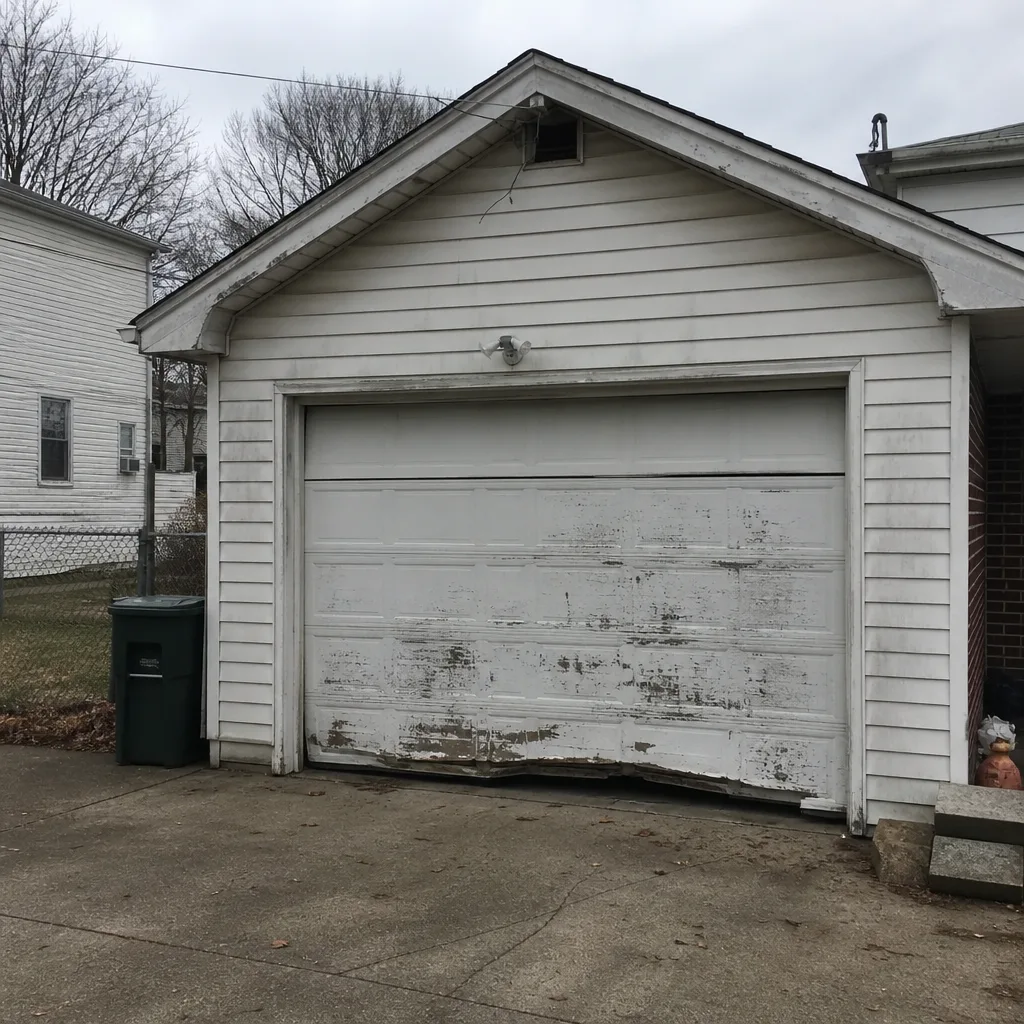 Before
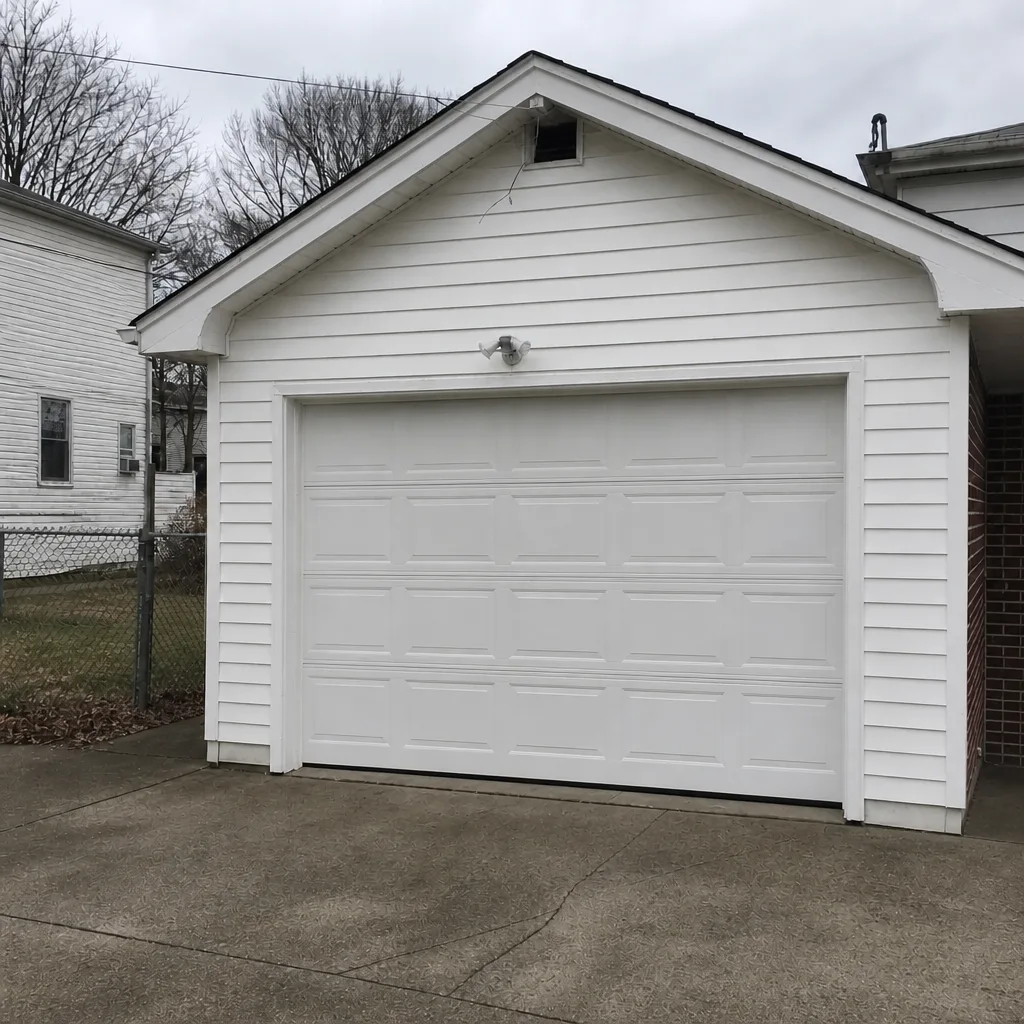 After
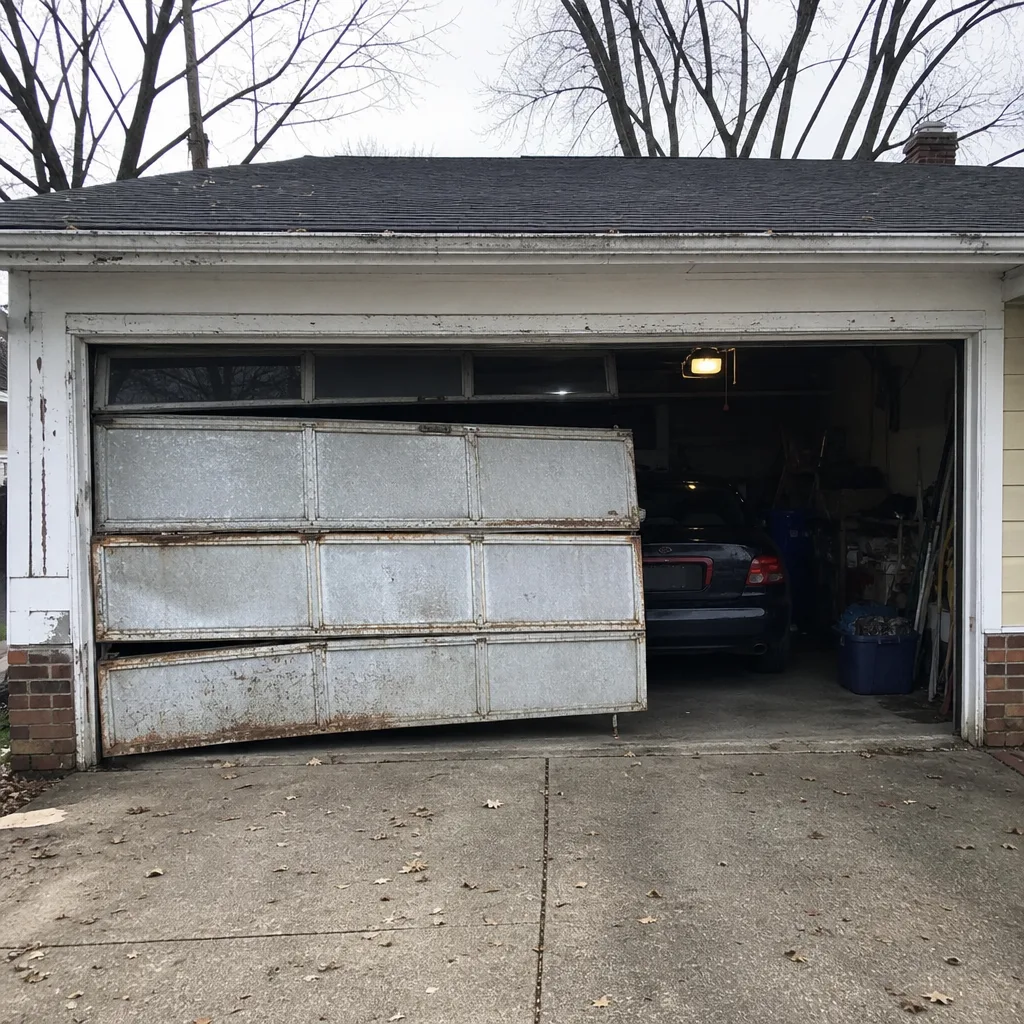 Before
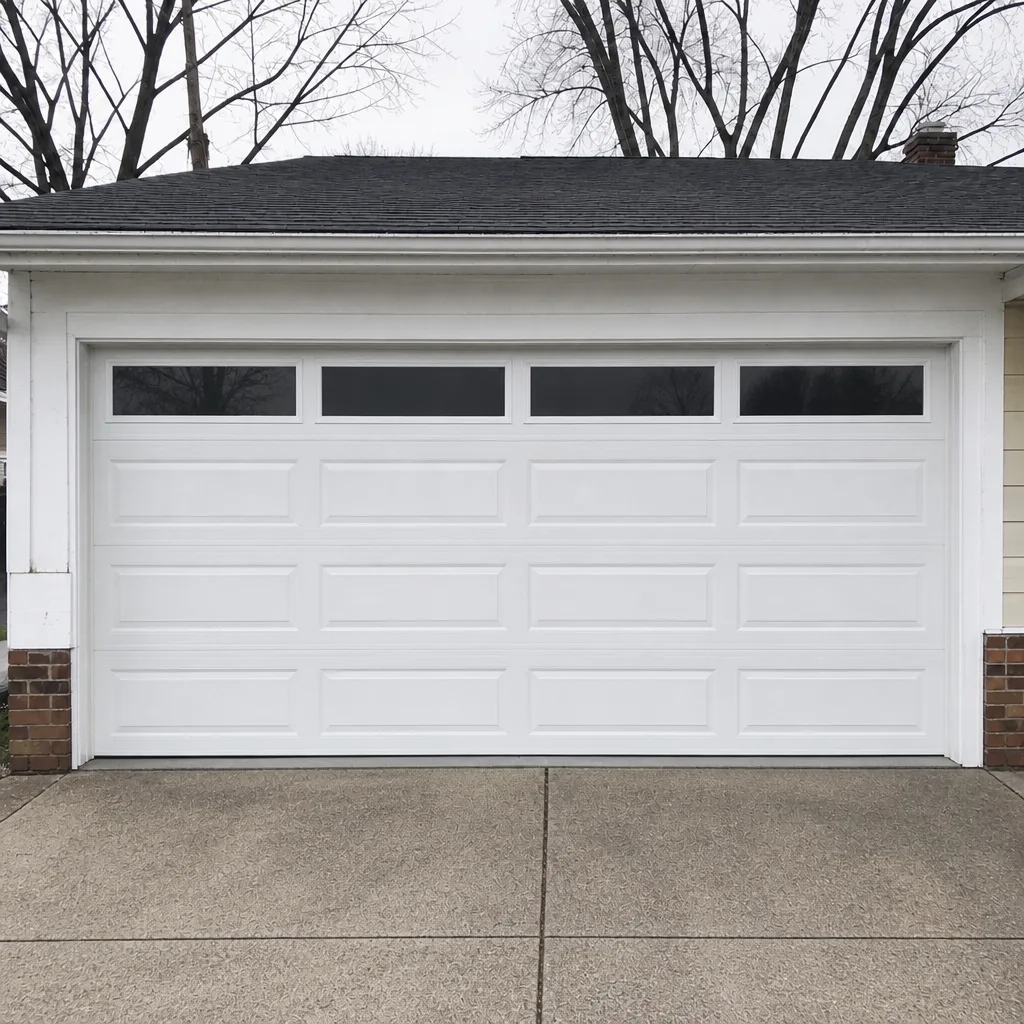 After
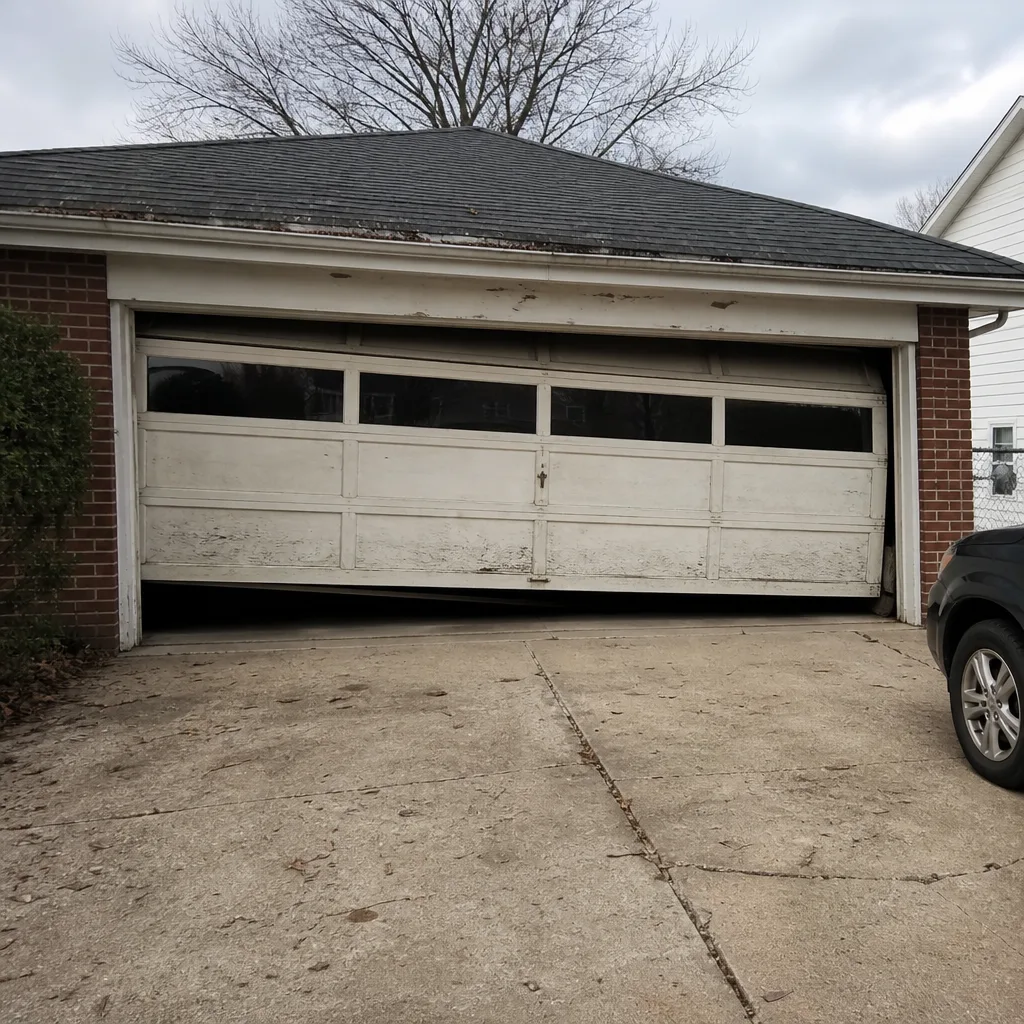 Before
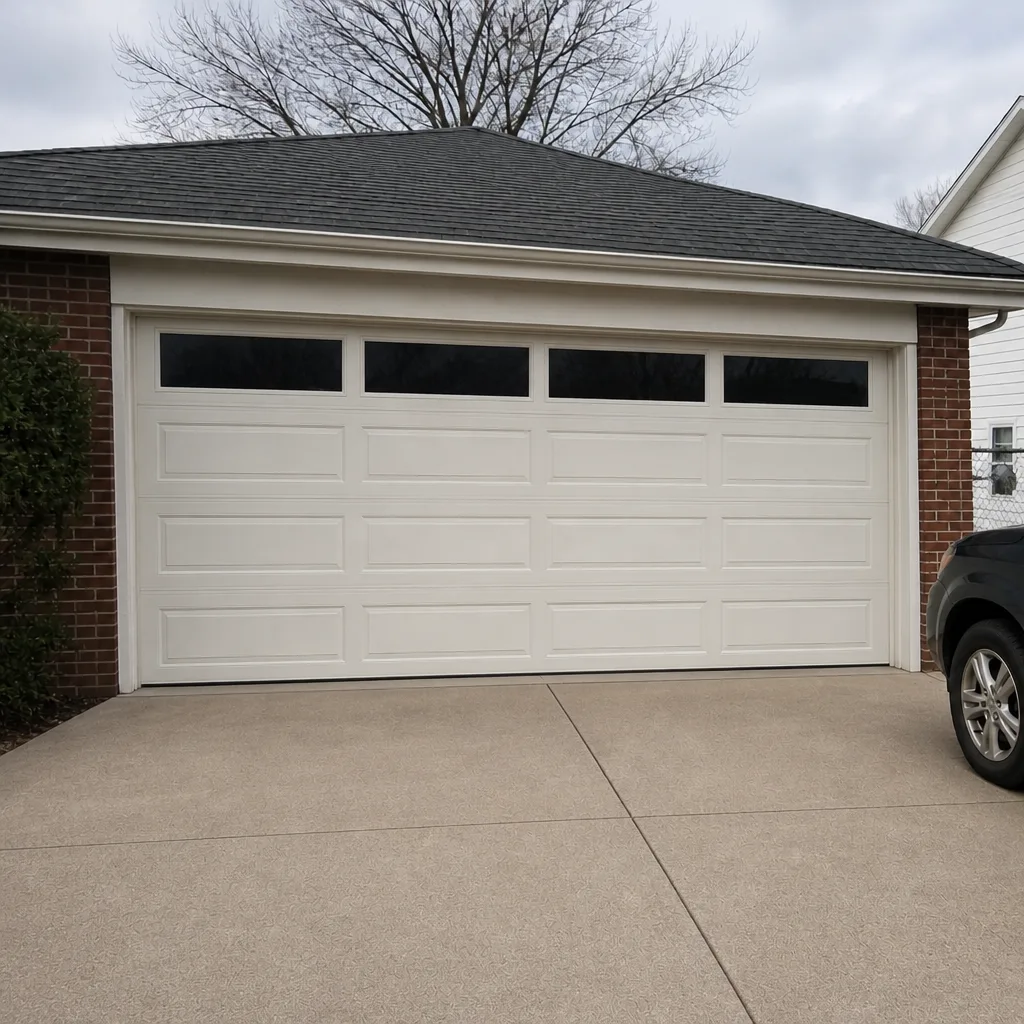 After
When to Call a Professional
Some seasonal care is a homeowner job: wipe-downs, visual checks, lubricant, the balance test. Other work is genuinely dangerous and should always be handled by a trained technician. Call a professional if you find a broken, stretched, or rusting spring; if the door won’t lift or won’t close and the balance test fails; if the track has bowed or the rollers are binding; if the opener reverses without a clear reason; or if the bottom seal is frozen solid and won’t release. Garage springs are under the full weight of the door and can cause serious injury, so never adjust them yourself. Garage Door Repair Lee-Harvard offers free estimates in Lee-Harvard, and with fast dispatch from 7am to 7pm, Sunday through Friday, the visit is scheduled before work begins. Call (844) 956-5742 and we’ll set it up.
Frequently Asked Questions
The balance test, done once a month. It’s the single check that reveals developing spring, track, and alignment problems before they turn into emergency calls, and it takes less than five minutes. If the door doesn’t hold its position when released halfway, call a technician before the problem gets worse.
You can usually handle it with a hair dryer on the low setting to warm the door edge and the concrete beneath it. Never use a heat gun or boiling water, and never force the opener through ice. Leave the opener disconnected until the seal has released. If the door still won’t lift by hand, stop and call us. That’s when garage door repair is the right move.
Heat expansion. Steel doors and aluminum track grow in midday heat and contract overnight, so clearances change through the day. A door that binds in the afternoon usually has a bowed track or worn rollers, and the opener force is pushing against it. The fix is finding the binding rather than raising the force.
Yes. An opener tuned in warm weather may not have enough force to move a cold, stiff door in a Lee-Harvard garage in January. Check the reverse and force against a cold door during the fall prep sequence, and again in spring. This applies to LiftMaster, Chamberlain, Craftsman, and Genie systems alike.
Every time the seasons change, and especially after a thaw. Freeze-thaw is what lifts the rubber away from the concrete. If you can see a gap, a wavy edge, or grit crusted where the seal used to sit flat, it needs replacement. In our experience this is the most overlooked part of garage door care in Northeast Ohio.
Yes. A door that’s hard to lift by hand almost always means weak or off-balance springs, even if there’s no visible break. Springs are under the full weight of the door and can cause serious injury, so this is a job for a technician. Call (844) 956-5742 for a free estimate. We answer 24/7.
The Bottom Line
Lee-Harvard’s four seasons don’t create one maintenance window; they create four distinct failure modes. Spring exposes what winter did to seals and springs. Summer stresses metal through expansion and strains the opener against binding track. Fall is the quiet window to prevent the January calls. Winter punishes whatever was left undone. The thread running through all of it is the monthly balance test, which catches most developing problems before they become emergencies. Do the small seasonal tasks on time, leave springs and openers to a technician, and your door stays reliable through every season. If anything seems beyond a seasonal tune-up, call Garage Door Repair Lee-Harvard at (844) 956-5742 for a free estimate.
Written by the team at Garage Door Repair Lee-Harvard.